Introduction
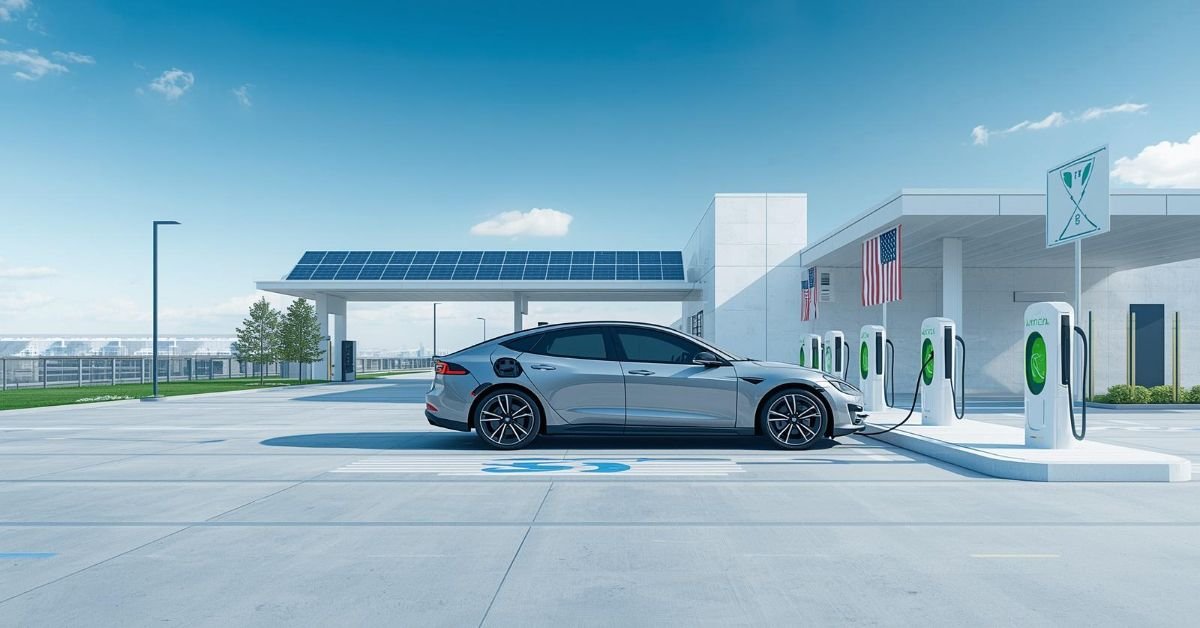
The transition to electric vehicles (EVs) is accelerating across the United States, driven by environmental goals, technological advancements, and growing consumer demand. However, one of the biggest challenges remains building a reliable and accessible charging network. To address this, federal, state, and local governments have introduced a wide range of EV charging infrastructure grants USA programs designed to support installation, expansion, and modernization of charging stations.
Why EV Charging Infrastructure Matters
The growth of electric vehicles depends heavily on the availability of charging stations. Without adequate infrastructure, range anxiety and inconvenience can slow adoption.
Key benefits of EV charging infrastructure:
- Supports nationwide EV adoption
- Reduces greenhouse gas emissions
- Encourages local economic development
- Improves energy independence
- Enhances property value and attractiveness
Governments recognize these benefits and are actively funding projects to accelerate deployment.
Overview of EV Charging Infrastructure Grants in the USA
EV charging infrastructure grants come from multiple levels of government and sometimes private partnerships. These programs typically cover a portion of installation, equipment, and operational costs.
Main funding sources include:
| Funding Source | Description | Typical Coverage |
|---|---|---|
| Federal Programs | Nationwide initiatives supporting EV infrastructure | 50%–100% of costs |
| State Grants | State-specific incentives and rebates | 30%–80% |
| Local Programs | City or county-level funding | Varies |
| Utility Incentives | Electric company rebates or support | Equipment + installation |
Federal EV Charging Infrastructure Grants
1. National Electric Vehicle Infrastructure (NEVI) Formula Program
The NEVI program is one of the most significant federal investments in EV infrastructure.
Key features:
- Funded under the Bipartisan Infrastructure Law
- Allocates billions of dollars to states
- Focuses on highway corridors
- Supports fast charging stations
Eligibility:
- State governments and approved partners
- Private companies working with states
Benefits:
- Covers up to 80% of project costs
- Promotes nationwide charging accessibility
Read more:Affordable Home EV Chargers USA
2. Alternative Fuel Infrastructure Tax Credit
This tax incentive supports both residential and commercial EV charging installations.
Highlights:
- Covers up to 30% of installation costs
- Maximum credit varies by property type
- Applies to EV chargers and other alternative fuels
Who can apply:
- Homeowners
- Businesses
- Property developers
3. Charging and Fueling Infrastructure (CFI) Discretionary Grants
This program supports community-based and corridor-based charging projects.
Key aspects:
- Focus on underserved and rural areas
- Supports both public and private entities
- Encourages equitable access
State-Level EV Charging Grants
Each state offers its own incentives, often funded through environmental programs or federal allocations.
Examples of State Incentives
| State | Program Type | Key Benefit |
|---|---|---|
| California | Clean Transportation Program | High rebates for public chargers |
| New York | EV Make-Ready Program | Infrastructure cost support |
| Texas | TERP Grants | Funding for alternative fuel infrastructure |
| Florida | EV Infrastructure Grants | Support for public charging networks |
Important Tip:
State programs frequently change. Always check the latest eligibility requirements and deadlines.
Utility Company Incentives
Electric utilities play a major role in expanding EV infrastructure by offering financial and technical support.
Common utility incentives include:
- Rebates for charger installation
- Reduced electricity rates for EV charging
- Infrastructure upgrades
- Demand charge reductions
Example Utility Support
| Utility Type | Support Offered | Benefit |
|---|---|---|
| Investor-Owned Utilities | Rebates + installation assistance | Lower upfront cost |
| Municipal Utilities | Local grants | Community-focused deployment |
| Rural Cooperatives | Infrastructure funding | Rural access expansion |
Who Can Apply for EV Charging Grants?
Eligibility varies by program, but generally includes:
- Businesses and commercial property owners
- Local governments and municipalities
- Nonprofit organizations
- Multi-family housing developers
- Educational institutions
- Homeowners (for certain programs)
Read more:Home EV Charger Government Grant UK
Types of EV Charging Projects Funded
Different grants support different types of charging infrastructure.
1. Level 2 Charging Stations
- Ideal for homes, workplaces, and public parking
- Moderate charging speed
- Lower installation cost
2. DC Fast Charging (DCFC)
- High-speed charging
- Suitable for highways and commercial locations
- Higher cost but greater impact
3. Fleet Charging Infrastructure
- Designed for commercial fleets
- Supports logistics and delivery companies
Cost Breakdown of EV Charging Installation
Understanding costs helps maximize grant benefits.
| Cost Component | Description | Estimated Range |
|---|---|---|
| Equipment | Charger units | $500 – $50,000 |
| Installation | Labor and setup | $1,000 – $40,000 |
| Electrical Upgrades | Panel and wiring | $2,000 – $100,000 |
| Maintenance | Ongoing costs | Varies |
Note: Grants can significantly reduce these expenses.
How to Apply for EV Charging Infrastructure Grants
Applying for grants requires careful planning and documentation.
Step-by-Step Process
- Identify Suitable Programs
Research federal, state, and utility options. - Check Eligibility Requirements
Ensure your project meets criteria. - Prepare Documentation
Include project plans, cost estimates, and location details. - Submit Application
Follow official guidelines and deadlines. - Await Approval and Funding
Review timelines may vary.
Best Practices for Successful Grant Applications
To improve your chances of approval:
- Provide clear project objectives
- Highlight environmental and community benefits
- Include accurate cost estimates
- Demonstrate long-term sustainability
- Partner with experienced contractors
Challenges in EV Infrastructure Development
Despite strong support, some challenges remain:
- High upfront costs
- Grid capacity limitations
- Permitting delays
- Lack of standardization
- Maintenance and operational issues
Solutions include:
- Leveraging multiple funding sources
- Collaborating with utilities
- Using scalable infrastructure designs
Future of EV Charging Grants in the USA
The future of EV charging infrastructure funding looks promising.
Emerging Trends
- Increased federal investment
- Focus on rural and underserved areas
- Integration with renewable energy
- Smart charging technologies
- Expansion of fast-charging networks
Environmental and Economic Impact
EV charging infrastructure contributes to both environmental and economic growth.
Environmental Benefits
- Reduced carbon emissions
- Improved air quality
- Lower reliance on fossil fuels
Economic Benefits
- Job creation
- Increased property value
- Business growth opportunities
Case Study Example
Commercial Property EV Charging Project
| Aspect | Details |
|---|---|
| Location | Urban shopping center |
| Chargers Installed | 10 Level 2 units |
| Total Cost | $120,000 |
| Grant Funding | $80,000 |
| Outcome | Increased foot traffic and revenue |
Tips for Businesses Investing in EV Charging
- Choose high-traffic locations
- Offer charging as a customer incentive
- Consider pricing strategies
- Ensure reliable maintenance
- Monitor usage data for optimization
Common Mistakes to Avoid
- Ignoring eligibility criteria
- Underestimating installation costs
- Missing application deadlines
- Not planning for future expansion
- Overlooking maintenance requirements
Read more:EV battery efficiency standards UK 2026
Frequently Asked Questions (FAQ)
1. Are EV charging grants taxable?
Some grants may be taxable, while tax credits reduce tax liability. Consult a tax professional.
2. Can homeowners apply for EV charging grants?
Yes, but options are limited compared to commercial programs.
3. How long does approval take?
It varies from a few weeks to several months.
4. Can multiple grants be combined?
In many cases, yes—combining federal, state, and utility incentives is common.
Conclusion
The expansion of electric vehicle charging infrastructure is essential for a sustainable transportation future in the United States. With a wide range of EV charging infrastructure grants USA, individuals and organizations can significantly reduce costs and accelerate deployment.
By understanding available programs, preparing strong applications, and following best practices, you can take full advantage of these opportunities. Whether you are installing a single charger or developing a large network, these grants provide the financial support needed to make your project successful.
2 thoughts on “EV charging infrastructure grants USA”