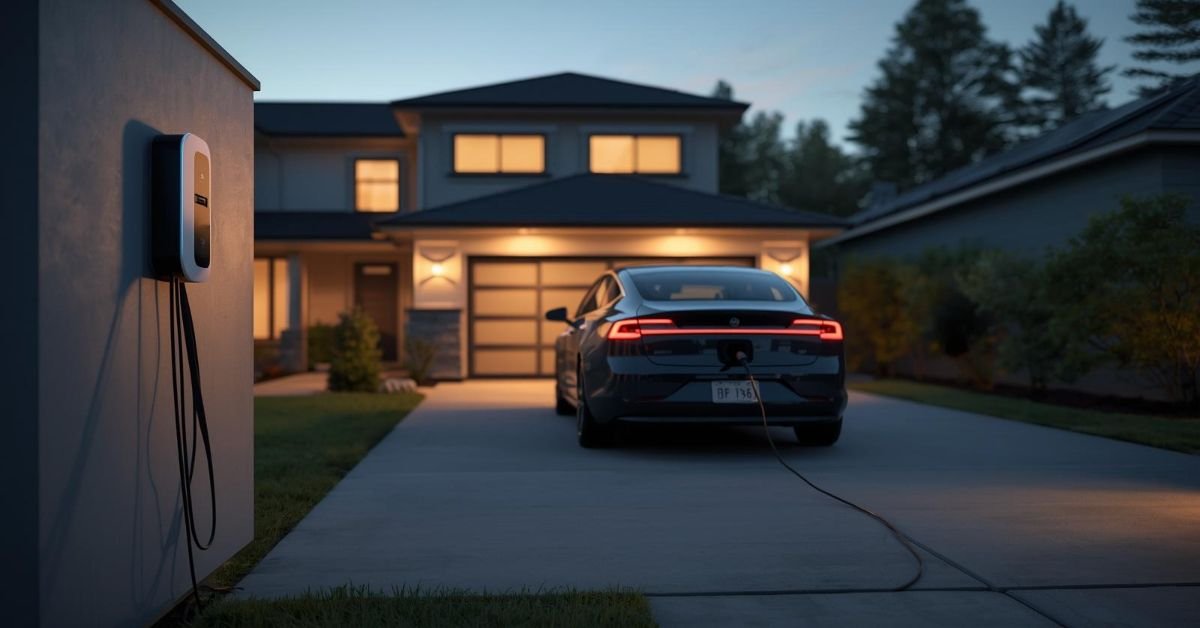
Affordable Home EV Chargers USA become increasingly popular across the United States, more homeowners are searching for affordable home EV chargers that balance cost, performance, and long-term value. Installing a home charging station is one of the smartest investments EV owners can make—not only for convenience but also for reducing long-term fueling expenses.
Why Install a Home EV Charger?
Owning an EV without a home charger can be inconvenient and costly over time. While public charging stations are expanding, they often come with higher costs and longer wait times.
Key Benefits of Home EV Charging
- Convenience: Charge overnight without leaving your home
- Cost savings: Lower electricity rates compared to public chargers
- Time efficiency: Avoid queues and travel time
- Battery health: Consistent charging helps maintain battery performance
Types of Home EV Chargers
Before diving into affordability, it’s important to understand the different types of EV chargers available in the USA.
Level 1 Chargers (Standard Outlet)
- Uses a regular 120V household outlet
- Adds 3–5 miles of range per hour
- Usually included with the vehicle
- Best for: Low daily driving needs
Level 2 Chargers (240V Outlet)
- Requires a 240V outlet (like a dryer outlet)
- Adds 20–60 miles of range per hour
- Faster and more efficient
- Best for: Most EV owners
Read more:Home EV Charger Government Grant UK
Comparison of Charger Types
| Feature | Level 1 Charger | Level 2 Charger |
|---|---|---|
| Voltage | 120V | 240V |
| Charging Speed | Slow | Fast |
| Installation Cost | Minimal | Moderate |
| Best Use | Occasional charging | Daily use |
| Affordability | High | Moderate |
What Makes an EV Charger Affordable?
Affordability isn’t just about the upfront price. A truly cost-effective EV charger considers long-term value.
Key Factors
- Initial cost of the charger
- Installation expenses
- Energy efficiency
- Maintenance costs
- Warranty and durability
Average Cost of Home EV Chargers in the USA
The cost of installing a home EV charger can vary widely depending on your home setup and the charger type.
Cost Breakdown Table
| Component | Estimated Cost (USD) |
|---|---|
| Level 1 Charger | $0–$300 |
| Level 2 Charger | $300–$800 |
| Installation | $500–$2,000 |
| Electrical Upgrades | $0–$3,000 |
| Total Cost | $800–$5,000 |
Top Affordable Home EV Charger Features to Look For
When shopping for an affordable EV charger, focus on features that enhance usability and efficiency.
Essential Features
- Adjustable charging speed
- Wi-Fi connectivity
- Mobile app control
- Safety certifications (UL listed)
- Durable weatherproof design
Optional Features
- Smart scheduling
- Energy monitoring
- Voice assistant integration
Read more:UK Government EV Battery Research Funding
Best Affordable EV Chargers in the USA (General Overview)
While prices and availability change frequently, several categories of chargers consistently offer good value.
Budget-Friendly Options
- Basic Level 2 chargers without smart features
- Portable EV chargers
- Refurbished or discounted units
Mid-Range Value Chargers
- Smart chargers with app integration
- Energy monitoring capabilities
- Reliable warranties
Installation Considerations
Installing a Level 2 charger requires careful planning.
Factors That Affect Installation Cost
- Distance from electrical panel
- Panel capacity
- Permit requirements
- Labor costs
Installation Tips
- Hire a licensed electrician
- Check local building codes
- Explore rebates before installation
Government Incentives and Rebates
One of the biggest advantages of installing a home EV charger in the USA is access to incentives.
Federal Tax Credit
- Covers up to 30% of installation costs
- Maximum credit varies
State and Local Rebates
- Utility companies often provide rebates
- State programs vary widely
Sample Incentive Comparison Table
| Incentive Type | Benefit |
|---|---|
| Federal Tax Credit | Up to 30% cost reduction |
| State Rebates | $200–$1,500 savings |
| Utility Programs | Lower electricity rates |
Energy Savings with Home Charging
Charging at home is significantly cheaper than gasoline and often cheaper than public charging.
Cost Comparison
| Energy Source | Cost per Mile |
|---|---|
| Gasoline Vehicle | $0.12–$0.20 |
| Public EV Charging | $0.10–$0.25 |
| Home EV Charging | $0.03–$0.08 |
Smart Charging: Maximizing Affordability
Smart EV chargers can further reduce costs by optimizing charging times.
Benefits of Smart Charging
- Charge during off-peak hours
- Monitor electricity usage
- Reduce strain on the grid
Read more:US EV Penetration by Country
Home Charging vs Public Charging
| Feature | Home Charging | Public Charging |
|---|---|---|
| Cost | Lower | Higher |
| Convenience | High | Moderate |
| Availability | Always | Limited |
| Speed | Moderate | Fast (DC fast chargers) |
Common Mistakes to Avoid
Choosing the wrong charger can lead to unnecessary expenses.
Avoid These Pitfalls
- Buying a charger without checking compatibility
- Ignoring installation costs
- Overpaying for unnecessary features
- Skipping safety certifications
Future Trends in Affordable EV Charging
The EV charging market is evolving rapidly, making home charging more accessible.
Emerging Trends
- Lower hardware costs
- Increased competition
- Improved energy efficiency
- Integration with solar power systems
Environmental Benefits of Home EV Charging
Charging your EV at home also contributes to sustainability.
Key Benefits
- Reduced carbon emissions
- Lower reliance on fossil fuels
- Potential integration with renewable energy
Is a Home EV Charger Worth It?
For most EV owners in the USA, the answer is yes.
Reasons to Invest
- Long-term savings
- Increased property value
- Greater convenience
- Energy independence
Read more:Top US battery companies Texas
Quick Buying Checklist
Before purchasing a home EV charger, consider the following:
- Budget (charger + installation)
- Charging speed needs
- Compatibility with your EV
- Available incentives
- Smart features preference
Conclusion
Affordable home EV chargers in the USA are no longer a luxury—they are becoming a necessity for EV owners seeking convenience and cost savings. By understanding the different charger types, installation requirements, and available incentives, homeowners can make informed decisions that maximize value.
3 thoughts on “Affordable Home EV Chargers USA”