Introduction
Home wall mounted EV charger USA has transformed how people think about transportation and energy. With more households adopting EVs every year, the demand for convenient and reliable charging solutions has surged. Among the most practical and efficient options is the home wall mounted EV charger, a solution that combines speed, safety, and ease of use.
Installing a home charging station is no longer a luxury—it’s becoming a necessity for EV owners who want full control over their charging schedule, costs, and energy consumption. This comprehensive guide explains everything you need to know about wall-mounted EV chargers in the USA, from types and costs to installation, incentives, and best practices.
What Is a Home Wall Mounted EV Charger?
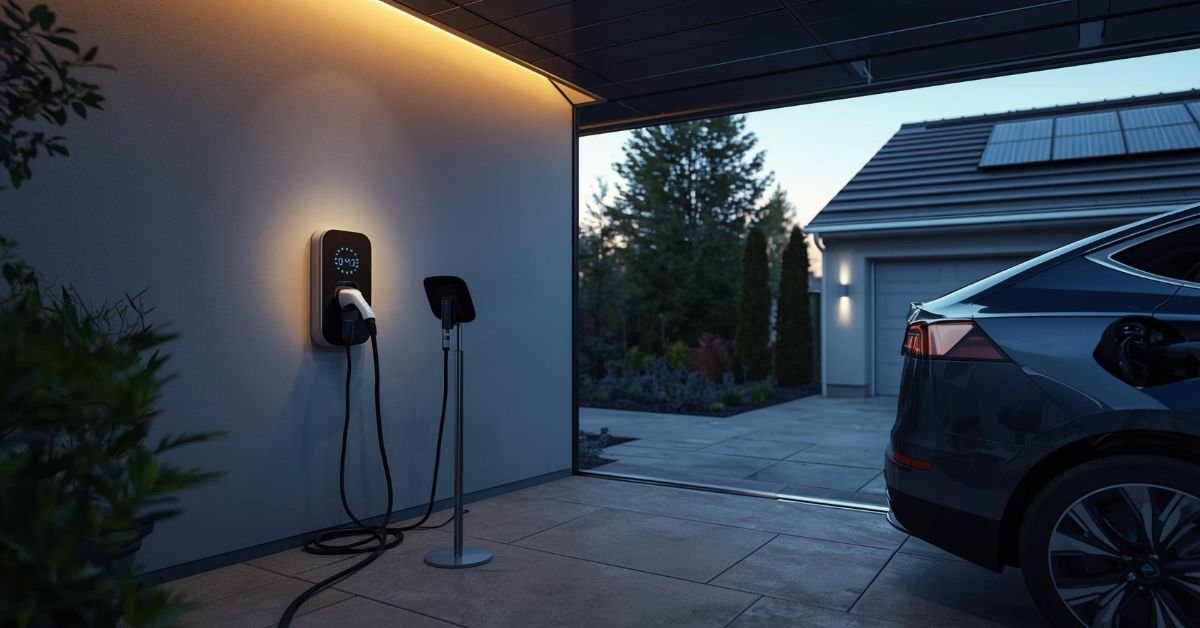
A home wall mounted EV charger is a fixed charging unit installed on a wall in your garage, driveway, or exterior area. It connects directly to your home’s electrical system and delivers power to your electric vehicle efficiently and safely.
Unlike portable chargers, wall-mounted units are permanently installed and typically offer faster charging speeds, advanced safety features, and smart connectivity options.
Read more:Affordable Home EV Chargers USA
Types of Home EV Chargers in the USA
Understanding the different charger types helps you choose the right solution for your needs.
Level 1 Chargers
- Uses standard 120V household outlet
- Slow charging (3–5 miles of range per hour)
- No installation required
Level 2 Chargers (Most Popular for Homes)
- Uses 240V outlet
- Faster charging (20–60 miles per hour)
- Requires professional installation
DC Fast Chargers (Rare for Homes)
- Extremely fast charging
- High cost and complex installation
- Typically used in commercial settings
Comparison Table: EV Charger Types
| Charger Type | Voltage | Charging Speed | Installation Required | Best For |
|---|---|---|---|---|
| Level 1 | 120V | Slow | No | Occasional charging |
| Level 2 | 240V | Fast | Yes | Daily home use |
| DC Fast | 400V+ | Very Fast | Complex | Commercial use |
Why Choose a Wall Mounted EV Charger?
Convenience
Charging at home eliminates trips to public charging stations and allows overnight charging.
Faster Charging
Level 2 wall chargers significantly reduce charging time compared to standard outlets.
Safety
Built-in safety features such as temperature monitoring, surge protection, and automatic shutoff.
Cost Savings
Home charging is generally cheaper than public charging, especially when combined with off-peak electricity rates.
Key Features to Look For
When selecting a home wall mounted EV charger, consider the following:
Charging Speed (Amperage)
- 32A, 40A, 48A options available
- Higher amperage = faster charging
Smart Connectivity
- Wi-Fi or Bluetooth-enabled
- Mobile app control
- Energy monitoring
Cable Length
- Typically 16–25 feet
- Ensure it reaches your vehicle comfortably
Weather Resistance
- Look for NEMA-rated enclosures for outdoor installation
Compatibility
- Must support your EV model (most use J1772 connector; Tesla requires adapter)
Read more:UK Government EV Battery Research Funding
Installation Requirements
Installing a wall-mounted EV charger requires proper planning and professional expertise.
Electrical Panel Capacity
Your home should have sufficient capacity (usually 200 amps recommended).
Dedicated Circuit
A dedicated circuit ensures safe and efficient operation.
Professional Installation
Licensed electricians ensure compliance with local electrical codes and safety standards.
Installation Cost Breakdown
| Component | Estimated Cost (USD) |
|---|---|
| Charger Unit | $400 – $1,200 |
| Installation Labor | $300 – $2,000 |
| Electrical Upgrades | $500 – $3,000 |
| Permits & Inspection | $100 – $500 |
Total Estimated Cost: $800 to $5,000 depending on complexity.
Federal and State Incentives in the USA
The U.S. government offers incentives to encourage EV adoption and home charging installation.
Federal Tax Credit
- Up to 30% of installation cost
- Maximum of $1,000 for residential properties
State Rebates
Many states provide additional rebates or incentives, including:
- California EV charger rebates
- New York clean energy incentives
- Texas utility rebates
Energy Efficiency and Cost Savings
Charging your EV at home can significantly reduce fuel costs.
Average Cost Comparison
| Energy Source | Cost per Mile |
|---|---|
| Gasoline Car | $0.12 – $0.15 |
| EV Home Charging | $0.03 – $0.05 |
Using time-of-use electricity plans can further reduce costs by charging during off-peak hours.
Smart Charging Benefits
Modern wall-mounted EV chargers often include smart features that enhance usability:
- Scheduled charging to save money
- Real-time monitoring of energy usage
- Remote control via apps
- Integration with solar panels
These features make charging more efficient and environmentally friendly.
Indoor vs Outdoor Installation
Indoor Installation
- Protected from weather
- Longer lifespan
- Ideal for garages
Outdoor Installation
- Requires weatherproof units
- Suitable for driveways or carports
- Must meet safety standards
Safety Considerations
Safety is critical when dealing with high-voltage equipment.
Important Safety Features
- Ground fault protection
- Overcurrent protection
- Temperature monitoring
- UL certification
Best Practices
- Always use a certified electrician
- Avoid extension cords
- Regularly inspect cables and connectors
Top Use Cases for Home EV Chargers
- Daily commuting
- Multi-EV households
- Long-distance travel preparation
- Backup charging solution
Maintenance and Longevity
Home EV chargers require minimal maintenance, but regular checks are recommended.
Maintenance Tips
- Clean the unit periodically
- Inspect cables for wear
- Ensure firmware updates (for smart chargers)
Expected Lifespan
- Typically 8–10 years with proper care
Read more:EV charging infrastructure grants USA
Common Mistakes to Avoid
- Choosing the wrong charger type
- Ignoring electrical panel capacity
- Skipping professional installation
- Not considering future EV upgrades
Environmental Impact
Using a home EV charger contributes to reducing greenhouse gas emissions, especially when paired with renewable energy sources.
Benefits
- Lower carbon footprint
- Reduced dependence on fossil fuels
- Supports clean energy transition
Future Trends in Home EV Charging
The EV charging landscape continues to evolve with new technologies:
- Bidirectional charging (Vehicle-to-Home)
- Faster Level 2 chargers
- AI-powered energy optimization
- Integration with smart home systems
These advancements will make home charging even more efficient and versatile.
Is a Home Wall Mounted EV Charger Worth It?
For most EV owners in the USA, the answer is yes.
Advantages
- Convenience
- Faster charging
- Lower long-term costs
- Increased property value
Considerations
- Upfront installation cost
- Electrical upgrades may be needed
Conclusion
A home wall mounted EV charger in the USA is one of the smartest investments an electric vehicle owner can make. It provides unmatched convenience, faster charging, and long-term cost savings while supporting a cleaner, more sustainable future.
As EV adoption continues to rise, having a reliable home charging solution ensures you stay ahead of the curve. By choosing the right charger, installing it correctly, and taking advantage of available incentives, you can maximize both efficiency and value.
2 thoughts on “Home wall mounted EV charger USA”