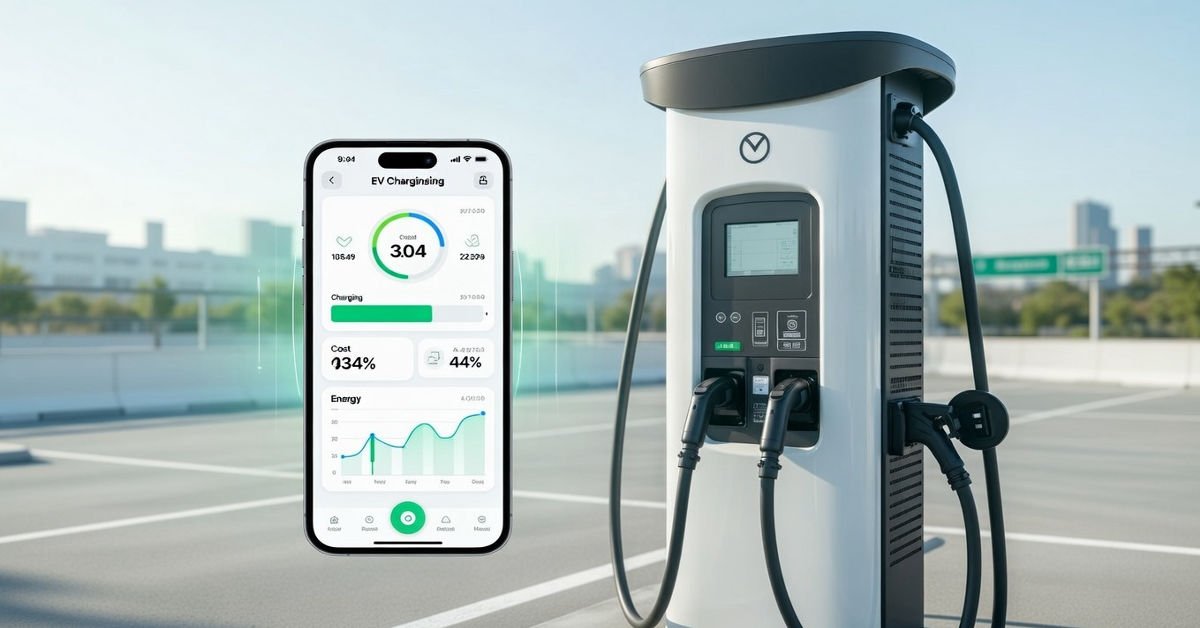
EV Charging Monitoring Apps are transforming transportation worldwide. As more people shift from petrol and diesel cars to electric mobility, the need for efficient charging solutions has become essential. One of the most powerful tools supporting this transition is the EV charging monitoring app. These applications allow drivers, fleet managers, and businesses to track, control, and optimize charging sessions in real time.
EV charging monitoring apps do more than show battery percentage. They provide insights into charging costs, station availability, energy consumption, performance trends, and system health. For individuals and enterprises alike, these apps bring transparency, convenience, and cost control into the EV charging ecosystem.
This article explores what EV charging monitoring apps are, how they work, their benefits, features, and their growing role in sustainable mobility.
What Are EV Charging Monitoring Apps?
EV charging monitoring apps are digital platforms—usually available on smartphones or web dashboards—that allow users to observe and manage electric vehicle charging sessions remotely. These apps connect with charging stations through cloud systems and IoT technology.
They help users:
-
Monitor charging progress in real time
-
View battery status and estimated completion time
-
Track energy usage and costs
-
Locate nearby charging stations
-
Receive alerts and notifications
Whether used at home, in workplaces, or public charging networks, these apps make EV charging more predictable and efficient.
Why EV Charging Monitoring Apps Are Important
As EV adoption increases, charging infrastructure becomes more complex. Without proper monitoring tools, users may face issues such as overcharging, unavailable stations, billing confusion, and inefficient energy usage.
EV charging monitoring apps solve these problems by offering:
-
Real-time data visibility
-
Automated management
-
Better cost control
-
Reduced downtime
-
Improved user experience
They also support governments and businesses in meeting sustainability targets by encouraging smarter energy use.
Key Features of EV Charging Monitoring Apps
Modern EV charging monitoring apps offer a wide range of features designed for both individual drivers and organizations.
| Feature | Purpose |
|---|---|
| Real-time charging status | Shows battery level, charging speed, and time remaining |
| Station locator | Finds nearby available charging stations |
| Cost tracking | Displays cost per session and monthly usage |
| Notifications & alerts | Sends updates when charging starts or ends |
| Energy analytics | Provides reports on energy consumption |
| Remote start/stop | Allows users to control charging from phone |
| User authentication | Secure access and identity management |
These features help drivers avoid guesswork and make data-driven charging decisions.
How EV Charging Monitoring Apps Work
EV charging monitoring apps work by connecting three main components:
-
Charging Station Hardware – Collects data about electricity flow and battery status
-
Cloud Platform – Stores and processes data securely
-
Mobile or Web App Interface – Displays data to the user
When a user plugs in their EV, the charger sends information to the cloud. The app then updates the user with live details such as charging speed, cost, and estimated completion time. Some apps even integrate with smart grids to optimize charging during off-peak hours.
Benefits for Individual EV Owners
EV charging monitoring apps provide everyday drivers with control and peace of mind.
1. Cost Transparency
Users can see exactly how much each charging session costs. This avoids billing surprises and helps budget monthly expenses.
2. Time Efficiency
Instead of waiting near the vehicle, drivers can track charging remotely and receive alerts when charging is complete.
3. Battery Health Management
Apps help prevent overcharging and monitor battery performance trends, increasing battery lifespan.
4. Convenience
Finding nearby charging stations and checking availability saves time and reduces stress during travel.
Benefits for Businesses and Fleet Operators
Organizations operating multiple EVs rely heavily on monitoring apps for efficiency and compliance.
| Business Benefit | Explanation |
|---|---|
| Fleet optimization | Tracks charging patterns across all vehicles |
| Cost management | Identifies high-usage locations and peak costs |
| Maintenance alerts | Detects charger faults early |
| Data reporting | Generates compliance and sustainability reports |
| Employee access control | Manages who can use chargers |
These benefits help companies reduce operational costs while meeting environmental goals.
Security and Data Protection in EV Charging Apps
Security is a major concern when dealing with connected devices and financial transactions. High-quality EV charging monitoring apps use:
-
Encrypted communication
-
Secure authentication
-
Role-based access control
-
Regular software updates
-
Cloud data protection standards
Users should always choose apps provided by trusted manufacturers or certified charging networks to ensure data privacy and system reliability.
User Experience and Interface Design
A good EV charging monitoring app focuses on simplicity and clarity. The best apps provide:
-
Easy dashboards
-
Visual charts
-
Clear status indicators
-
Minimal learning curve
-
Multi-language support
Strong user experience increases adoption and ensures that drivers can access information quickly, even while traveling.
Integration with Smart Homes and Renewable Energy
Many EV charging monitoring apps now integrate with solar panels and home energy management systems. This allows users to:
-
Charge vehicles using solar energy
-
Schedule charging during low-tariff hours
-
Reduce grid dependency
-
Track renewable energy usage
This integration plays a key role in creating a cleaner and more sustainable energy ecosystem.
Common Challenges and Limitations
Despite their benefits, EV charging monitoring apps face certain challenges:
| Challenge | Impact |
|---|---|
| Internet dependency | Apps require stable connectivity |
| Compatibility issues | Some chargers support limited apps |
| Data accuracy | Sensor errors may affect readings |
| Learning curve | New users may need guidance |
Continuous software development and standardization are helping address these challenges.
Future of EV Charging Monitoring Apps
The future of EV charging monitoring apps is closely tied to advancements in artificial intelligence, big data, and smart grids. Expected innovations include:
-
Predictive charging recommendations
-
AI-based energy optimization
-
Automated billing systems
-
Vehicle-to-grid (V2G) integration
-
Carbon footprint tracking
These features will transform charging from a simple task into a fully intelligent energy management process.
Role in Sustainable Transportation
EV charging monitoring apps support sustainability by:
-
Reducing unnecessary energy waste
-
Encouraging off-peak charging
-
Supporting renewable energy usage
-
Helping governments track EV infrastructure usage
By providing actionable insights, these apps make electric mobility more environmentally responsible and economically efficient.
Choosing the Right EV Charging Monitoring App
When selecting an EV charging monitoring app, users should consider:
-
Compatibility with their charger
-
Security features
-
Ease of use
-
Data reporting options
-
Customer support
-
Update frequency
Choosing a reliable app ensures long-term satisfaction and system stability.
Comparison Table: Basic vs Advanced EV Charging Monitoring Apps
| Feature | Basic Apps | Advanced Apps |
|---|---|---|
| Real-time monitoring | Yes | Yes |
| Cost analytics | Limited | Detailed |
| Fleet management | No | Yes |
| Smart scheduling | No | Yes |
| Renewable integration | No | Yes |
| AI optimization | No | Yes |
Advanced apps are better suited for businesses and smart homes, while basic apps work well for personal users.
Practical Use Cases
EV charging monitoring apps are widely used in:
-
Residential apartments
-
Corporate parking areas
-
Public charging networks
-
Taxi and delivery fleets
-
Government EV programs
Each use case benefits from real-time visibility and data-driven management.
Economic Impact
These apps help reduce charging costs by:
-
Avoiding peak electricity tariffs
-
Preventing energy loss
-
Detecting faulty equipment
-
Improving charger utilization
For businesses, this translates into long-term savings and better financial planning.
Regulatory and Compliance Support
Many regions require reporting on energy consumption and emissions. EV charging monitoring apps generate reports that help:
-
Meet regulatory requirements
-
Track carbon reduction
-
Demonstrate sustainability performance
This makes them valuable tools for compliance and corporate responsibility programs.
Conclusion
EV charging monitoring apps are no longer optional tools; they are essential components of modern electric vehicle ecosystems. They provide transparency, control, security, and efficiency for individuals and organizations alike. As electric mobility expands, these apps will play a central role in shaping how energy is consumed, managed, and optimized.
1 thought on “EV Charging Monitoring Apps”