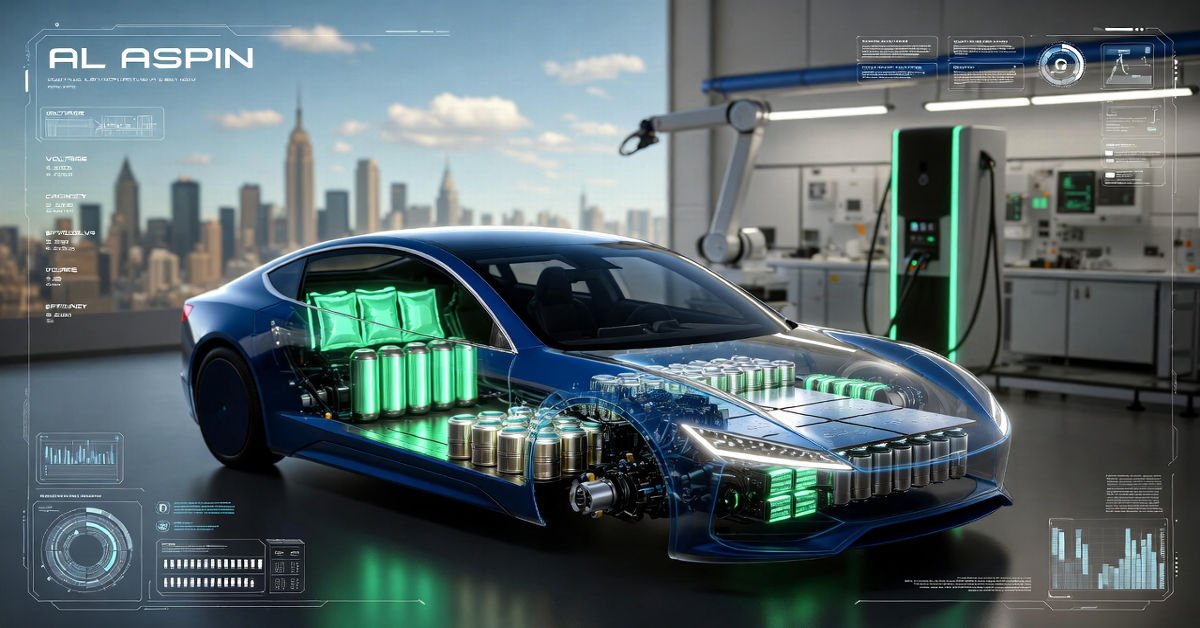
The automotive industry in the United States is undergoing a historic transformation driven by innovation in car battery technology. As electric vehicles (EVs), hybrid cars, and energy-efficient transportation gain popularity, batteries have become the heart of modern mobility. From lithium-ion dominance to next-generation solid-state and sodium-ion batteries, the latest car battery technologies in the USA are reshaping how Americans drive, charge, and think about energy.
This article explores the newest developments in car battery technologies, their benefits, challenges, and how they are influencing vehicle performance, environmental sustainability, and the U.S. auto market.
Why Car Battery Technology Matters More Than Ever
Battery technology determines how far a vehicle can travel, how fast it charges, how long it lasts, and how safe it is. In the USA, government incentives, climate goals, and consumer demand for electric vehicles have accelerated research and development in battery systems.
Modern batteries are expected to deliver:
-
Higher energy density
-
Faster charging times
-
Improved safety
-
Longer lifespan
-
Lower environmental impact
These expectations have pushed manufacturers like Tesla, GM, Ford, and battery giants such as Panasonic, LG Energy Solution, and CATL to invest billions into innovation.
Overview of Major Car Battery Technologies in the USA
| Battery Type | Key Feature | Common Usage |
|---|---|---|
| Lithium-ion (Li-ion) | High energy density | Most electric vehicles |
| Solid-state | Safer and lighter | Future EV models |
| Lithium Iron Phosphate (LFP) | Long lifespan, low cost | Budget EVs, fleets |
| Sodium-ion | Low cost, abundant materials | Emerging technology |
| Nickel-Metal Hydride (NiMH) | Durable and proven | Hybrid vehicles |
These technologies are at different stages of adoption, but together they define the current and future battery ecosystem in the USA.
Lithium-Ion Batteries: The Current Standard
Lithium-ion batteries remain the backbone of electric vehicles in the United States. They offer a strong balance between energy density, weight, and cost. Over the past decade, Li-ion batteries have improved dramatically in both performance and reliability.
Modern lithium-ion batteries used in U.S. vehicles now support:
-
Driving ranges exceeding 300 miles
-
Fast-charging to 80% in under 30 minutes
-
Lifespans of 8 to 12 years
Manufacturers are also working to reduce cobalt usage due to ethical and supply chain concerns, replacing it with nickel-rich chemistries.
Solid-State Batteries: The Future of EV Power
Solid-state batteries represent one of the most exciting breakthroughs in the automotive sector. Unlike traditional lithium-ion batteries that use liquid electrolytes, solid-state batteries use solid materials, making them safer and more efficient.
Key advantages include:
-
Higher energy density (up to 2x lithium-ion)
-
Reduced risk of fire
-
Faster charging times
-
Smaller and lighter battery packs
U.S. companies and research institutions are racing to commercialize this technology. Toyota, QuantumScape, and Ford have announced plans to bring solid-state batteries to market later this decade.
Lithium Iron Phosphate (LFP) Batteries Gaining Popularity
Lithium Iron Phosphate batteries are becoming increasingly popular in the USA, especially for affordable electric vehicles and commercial fleets. These batteries are known for their long cycle life and safety.
Why LFP batteries matter:
-
Lower production cost
-
More stable chemistry
-
No cobalt or nickel required
-
Long lifespan (over 3,000 cycles)
Tesla has already introduced LFP batteries in several of its U.S. vehicle models, making EVs more accessible to budget-conscious buyers.
Sodium-Ion Batteries: A New Contender
Sodium-ion batteries are emerging as a promising alternative to lithium-based systems. Sodium is far more abundant and less expensive than lithium, making this technology attractive for long-term sustainability.
Benefits of sodium-ion batteries include:
-
Lower raw material costs
-
Better performance in cold climates
-
Reduced reliance on rare minerals
-
Environmentally friendly production
While still in early adoption stages in the USA, sodium-ion batteries could become popular for urban vehicles and short-range EVs in the coming years.
Battery Management Systems (BMS): The Brain Behind the Battery
Modern car battery technologies are not just about chemistry; they also rely heavily on intelligent Battery Management Systems (BMS). These systems monitor temperature, voltage, and charging patterns to ensure safety and efficiency.
Functions of a BMS include:
-
Preventing overcharging and overheating
-
Balancing individual battery cells
-
Extending battery life
-
Providing real-time performance data
Advanced BMS software now integrates with vehicle infotainment systems and mobile apps, giving drivers more control over charging and energy usage.
Fast-Charging Innovations in the USA
Charging speed is one of the biggest concerns for EV drivers. The latest battery technologies are paired with ultra-fast charging networks that can add hundreds of miles of range in minutes.
| Charging Type | Time to 80% Charge | Typical Use |
|---|---|---|
| Level 1 (120V) | 8–12 hours | Home charging |
| Level 2 (240V) | 3–6 hours | Residential & public |
| DC Fast Charging | 15–30 minutes | Highways & stations |
Battery chemistries are now optimized for rapid charging without degrading lifespan, which is a major leap forward in U.S. EV adoption.
Environmental Impact and Sustainability
One of the driving forces behind new car battery technologies in the USA is environmental responsibility. Manufacturers are working to reduce the carbon footprint of battery production and improve recycling processes.
Sustainability efforts include:
-
Battery recycling plants in Nevada and Texas
-
Second-life batteries for energy storage
-
Reduced mining of cobalt and lithium
-
Renewable energy-powered factories
These initiatives help align battery technology with climate goals and corporate responsibility.
Battery Recycling and Second-Life Applications
Recycling is a critical part of modern battery innovation. Instead of disposing of old EV batteries, U.S. companies are repurposing them for energy storage in homes and power grids.
| Application | Purpose |
|---|---|
| Home energy storage | Backup power |
| Solar integration | Store renewable energy |
| Grid stabilization | Reduce peak demand |
| Industrial use | Long-term energy supply |
Second-life batteries extend the value of EV batteries and significantly reduce environmental waste.
Role of Artificial Intelligence in Battery Development
Artificial Intelligence (AI) is now playing a role in predicting battery performance, identifying defects, and designing better materials. AI-driven simulations help researchers discover new chemical combinations faster than traditional laboratory methods.
This results in:
-
Faster innovation cycles
-
Improved safety testing
-
Higher energy efficiency
-
Lower production costs
The integration of AI is one of the most important trends shaping the future of car battery technologies in the USA.
Government Policies and Incentives in the USA
The U.S. government strongly supports battery research and EV adoption through incentives and funding programs.
Major initiatives include:
-
Federal tax credits for EV buyers
-
Grants for battery research
-
Investment in domestic battery manufacturing
-
Infrastructure development for charging stations
These policies ensure that the USA remains competitive in the global battery technology race.
Challenges Facing New Battery Technologies
Despite rapid progress, challenges remain:
-
High production costs
-
Limited raw material supply
-
Recycling complexity
-
Safety concerns in extreme conditions
Overcoming these obstacles requires collaboration between automakers, governments, and research institutions.
Comparison of Old vs Latest Battery Technologies
| Feature | Older Batteries | Latest Technologies |
|---|---|---|
| Energy density | Low | High |
| Charging speed | Slow | Ultra-fast |
| Safety | Moderate | Advanced protection |
| Lifespan | 3–5 years | 8–15 years |
| Environmental impact | High | Reduced footprint |
This evolution shows how far battery technology has progressed in just a few years.
Future Outlook of Car Battery Technologies in the USA
The future of car battery technology in the USA looks promising. Industry experts predict:
-
Solid-state batteries by 2030
-
Wider adoption of sodium-ion batteries
-
Cheaper and more efficient EVs
-
Strong domestic battery supply chains
Battery innovation will continue to drive the shift toward electric mobility and clean energy transportation.
Conclusion
The latest car battery technologies in the USA are transforming the automotive industry and redefining how vehicles are powered. From lithium-ion improvements to revolutionary solid-state and sodium-ion systems, battery innovation is at the core of sustainable transportation.
With advancements in charging speed, safety, recycling, and artificial intelligence, the future of car batteries is brighter than ever. As government support and consumer demand grow, these technologies will continue to evolve, making electric and hybrid vehicles more affordable, reliable, and environmentally friendly.
1 thought on “Latest Car Battery Technologies in the USA”