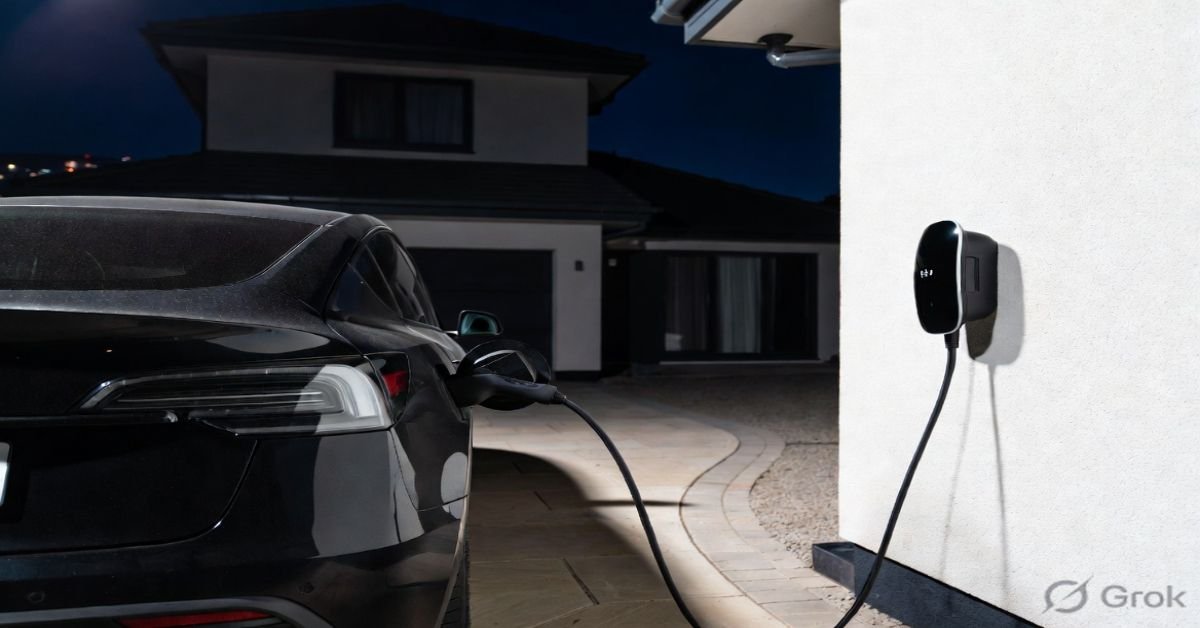
Compare the best home EV chargers in the UK continue to grow in popularity across the UK, installing a home EV charger has become a practical and cost-effective solution for daily charging needs. Whether you are a new EV owner or planning to switch to electric mobility, choosing the right home charger can significantly impact your convenience, energy costs, and overall experience.
This detailed guide offers a complete home EV charger comparison UK, helping you understand the key features, pricing, installation requirements, and the best options available today.
Why You Need a Home EV Charger in the UK
Charging your electric vehicle at home is one of the biggest advantages of EV ownership. While public charging networks are expanding rapidly, home charging remains the most affordable and convenient option.
Key Benefits of Home Charging
- Lower charging costs compared to public stations
- Convenience of overnight charging
- Faster charging than standard 3-pin sockets
- Smart features for energy monitoring and scheduling
- Increased property value with EV-ready infrastructure
Types of Home EV Chargers in the UK
Understanding the types of chargers available is essential before making a decision.
| Charger Type | Power Output | Charging Speed | Best For |
|---|---|---|---|
| 3-Pin Plug | 2.3 kW | Very Slow | Emergency use |
| Fast Charger | 7 kW | 6–8 hours | Most UK homes |
| Rapid Charger | 22 kW | 3–4 hours | Businesses / high capacity homes |
Note: Most UK households install 7kW chargers, as they offer the best balance between speed and affordability.
Top Home EV Chargers in the UK (2026 Comparison)
Below is a comparison of some of the most popular EV chargers available in the UK market.
Read more:Federal EV Rebate Application Process in the USA
Best EV Chargers Comparison Table
| Brand & Model | Power | Smart Features | Price Range (£) | Warranty | Key Highlights |
|---|---|---|---|---|---|
| Ohme Home Pro | 7.4 kW | Yes | 900–1200 | 3 Years | Smart tariff integration |
| Wallbox Pulsar Max | 7.4 kW | Yes | 850–1100 | 3 Years | Compact design |
| Pod Point Solo 3 | 7 kW | Yes | 950–1200 | 3 Years | Easy installation |
| Zappi V2 | 7 kW | Yes | 1000–1400 | 3 Years | Solar integration |
| EO Mini Pro 3 | 7.2 kW | Yes | 900–1300 | 3 Years | Smallest smart charger |
Key Features to Consider When Comparing EV Chargers
Choosing the best home EV charger in the UK depends on several important factors.
1. Charging Speed
Most homes use a 7kW charger, which can fully charge an EV overnight.
2. Smart Charging Capability
Smart chargers allow you to:
- Schedule charging during off-peak hours
- Monitor energy usage
- Integrate with renewable energy
3. Compatibility
Ensure the charger supports your EV model and connector type (Type 2 is standard in the UK).
4. Installation Requirements
Installation typically requires:
- A dedicated circuit
- Professional electrician
- Compliance with UK safety standards
5. Tethered vs Untethered Chargers
| Type | Description | Pros | Cons |
|---|---|---|---|
| Tethered | Fixed cable | Convenient | Less flexible |
| Untethered | No fixed cable | Flexible | Requires separate cable |
Cost of Home EV Chargers in the UK
The total cost includes both the charger and installation.
Read more:HighwayRange EV Bike Cruisi Review
Estimated Costs
| Component | Cost (£) |
|---|---|
| EV Charger Unit | 800 – 1200 |
| Installation | 300 – 800 |
| Total Cost | 1100 – 2000 |
Government Grants and Incentives
Although the UK government has reduced some EV subsidies, there are still schemes available.
Available Grants
- EV Chargepoint Grant for flats and rental properties
- Workplace Charging Scheme (WCS)
- Local council incentives in some regions
Smart Charging and Energy Tariffs
Compare the best home EV chargers in the UK can significantly reduce your electricity bill by charging during off-peak hours.
Popular EV Tariffs in the UK
| Provider | Tariff Name | Benefit |
|---|---|---|
| Octopus Energy | Intelligent Octopus | Low night rates |
| British Gas | EV Tariff | Flexible pricing |
| EDF Energy | GoElectric | Fixed cheap rates |
Solar Integration and Eco-Friendly Charging
Some chargers, like solar-compatible models, allow you to charge your EV using renewable energy.
Benefits of Solar Charging
- Reduced electricity bills
- Lower carbon footprint
- Energy independence
Installation Process Explained
Installing a home EV charger in the UK involves several steps:
- Site survey by installer
- Electrical system check
- Installation of wall unit
- Testing and certification
Installation usually takes 2–4 hours depending on complexity.
Safety and Regulations in the UK
All EV chargers must comply with UK safety regulations.
Important Standards
- BS 7671 wiring regulations
- Smart charging compliance laws
- Load balancing requirements
Advantages of Smart EV Chargers
Smart chargers are becoming the standard choice due to their advanced features.
Key Benefits
- Remote control via mobile apps
- Real-time monitoring
- Integration with smart home systems
- Automatic tariff switching
Common Mistakes to Avoid
When choosing a home EV charger, avoid these common mistakes:
- Choosing the cheapest option without features
- Ignoring installation costs
- Not checking compatibility
- Skipping smart features
- Not considering future EV upgrades
Read more:EV Charging Station Expansion: Powering the Future of Electric Mobility
Future of Home EV Charging in the UK
The UK EV market is evolving rapidly, and home charging technology is improving.
Emerging Trends
- Vehicle-to-grid (V2G) technology
- AI-based energy optimization
- Faster home charging systems
- Integration with renewable energy systems
Best Home EV Charger for Different Needs
For Budget Buyers
- EO Mini Pro 3
For Smart Features
- Ohme Home Pro
For Solar Users
- Zappi V2
For Compact Design
- Wallbox Pulsar Max
Is a Home EV Charger Worth It?
Yes, installing a home EV charger is worth it for most UK EV owners.
Reasons Why
- Saves money long-term
- Adds convenience
- Reduces reliance on public chargers
- Improves charging efficiency
Conclusion
Compare the best home EV chargers in the UK requires careful comparison of features, pricing, and compatibility. A 7kW smart charger is the best choice for most UK households, offering an ideal balance of speed and affordability.
When selecting a charger, focus on long-term value rather than just upfront cost. Features like smart charging, solar compatibility, and energy monitoring can significantly enhance your EV ownership experience.
With the growing adoption of electric vehicles in the UK, investing in a reliable home EV charger is not just a convenience—it’s a necessity for future-ready living.
1 thought on “Compare the best home EV chargers in the UK”