Introduction
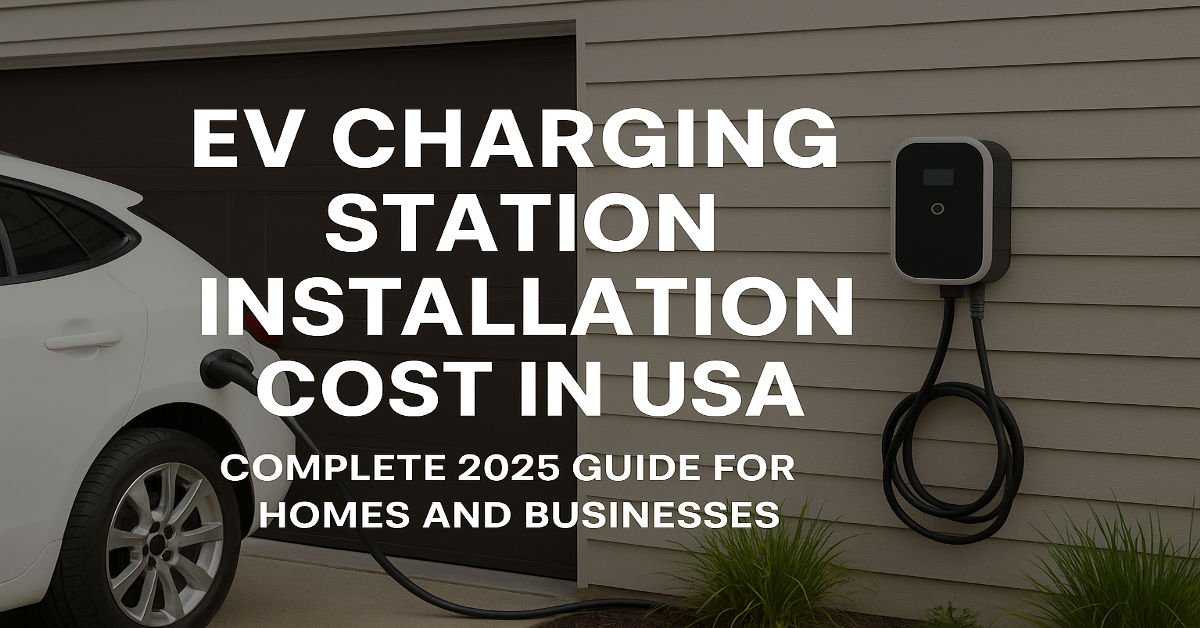
EV Charging Station Installation Cost USA: continue to dominate U.S. roads, the demand for charging infrastructure has grown rapidly. Whether you’re an individual EV owner or a business looking to attract eco-conscious customers, installing an EV charging station is a smart investment. However, the question most people ask is: “How much does it cost to install an EV charging station in the USA?”
The answer depends on several factors, such as charger type, installation location, power capacity, and government incentives. In this comprehensive guide, we’ll explore everything about EV charging station installation costs in the USA, including residential vs. commercial setups, government rebates, and future cost trends.
Understanding EV Charger Types
Before calculating installation costs, it’s important to understand the three main types of EV chargers used across the United States:
| Charger Type | Charging Speed | Voltage | Typical Installation Location | Average Cost (Equipment + Installation) |
|---|---|---|---|---|
| Level 1 | Slow (2–5 miles per hour) | 120V | Home (standard outlet) | $300 – $700 |
| Level 2 | Moderate (10–60 miles per hour) | 240V | Home / Business / Public | $800 – $2,500 |
| DC Fast Charger | Fast (up to 250 miles per hour) | 480V+ | Commercial / Highway Corridors | $30,000 – $100,000+ |
Each charger type offers unique benefits. Level 1 chargers are ideal for overnight charging at home, Level 2 chargers are best for faster daily use, and DC fast chargers are primarily used by businesses and charging networks.
Average EV Charging Station Installation Costs in the USA
The installation cost varies significantly depending on the type of charger, electrical setup, and local conditions.
| Installation Type | Average Equipment Cost | Average Labor Cost | Total Estimated Cost |
|---|---|---|---|
| Home Level 1 Charger | $200 – $500 | $100 – $300 | $300 – $700 |
| Home Level 2 Charger | $500 – $1,500 | $400 – $1,000 | $900 – $2,500 |
| Commercial Level 2 Station | $2,000 – $5,000 | $2,000 – $6,000 | $4,000 – $11,000 |
| DC Fast Charger (Public) | $15,000 – $50,000 | $20,000 – $50,000 | $35,000 – $100,000+ |
These numbers may seem wide-ranging because each installation has different requirements. For example, a new electrical panel, longer wiring distances, or upgrades to grid capacity can increase costs.
Factors Affecting EV Charger Installation Costs
Several key elements determine the total price of your EV charging setup:
a. Electrical Capacity
Older homes may require an electrical service upgrade to handle a Level 2 or DC charger, costing an additional $1,000 – $3,000.
b. Distance from Power Source
The farther your charging point is from the electrical panel, the higher the cost due to additional wiring and trenching work.
c. Labor and Permits
Labor charges can vary by region. Electricians typically charge between $50 – $150 per hour. Permits and inspections may cost another $100 – $500 depending on local regulations.
d. Charger Brand and Features
Smart chargers with Wi-Fi, load balancing, or app connectivity cost more than basic models. Premium brands like ChargePoint or Blink may cost up to $1,200 – $1,800, while simpler models like JuiceBox start at around $600.
e. Mounting Type
Wall-mounted chargers are generally cheaper to install than pedestal-mounted ones used in parking lots or commercial settings.
Residential EV Charger Installation Cost Breakdown
Homeowners are increasingly opting for Level 2 chargers for convenience and faster charging times.
| Component | Average Cost Range |
|---|---|
| Level 2 Charger Equipment | $600 – $1,200 |
| Electrical Upgrades | $500 – $2,000 |
| Installation Labor | $400 – $1,000 |
| Permits & Inspection | $100 – $300 |
| Total (Estimated) | $1,500 – $3,500 |
Installation Process:
-
Assessment: Electrician inspects your home’s wiring and breaker panel.
-
Permitting: Local permits are secured (if required).
-
Installation: The charger is mounted and connected to your 240V outlet.
-
Testing: The system is tested to ensure safety and functionality.
With incentives, the net cost for homeowners may drop to as low as $700 – $1,200 after rebates.
Commercial EV Charging Station Installation Costs
Businesses and property owners often invest in EV chargers to attract customers or meet sustainability goals. These installations are more complex than residential ones.
| Charger Type | Installation Location | Estimated Cost per Unit |
|---|---|---|
| Level 2 Commercial | Retail Stores, Offices | $4,000 – $11,000 |
| DC Fast Charger | Highway Rest Stops, Fleet Depots | $35,000 – $100,000+ |
Additional Expenses:
-
Networking Fees: $300 – $1,000 per year (for smart chargers)
-
Site Preparation: $1,000 – $5,000 (trenching, concrete pads)
-
Software Integration: Optional management system for businesses
-
Signage & Branding: $200 – $500 per site
Best Use Case:
-
Level 2: For workplace and shopping centers
-
DC Fast: For fleet and highway charging
State-wise EV Charging Station Cost Variation
EV charger installation costs vary across the U.S. due to electricity rates, labor costs, and permit fees.
| State | Average Residential Installation Cost | Average Commercial Installation Cost |
|---|---|---|
| California | $1,500 – $3,000 | $40,000 – $90,000 |
| Texas | $1,200 – $2,500 | $30,000 – $70,000 |
| Florida | $1,000 – $2,300 | $25,000 – $65,000 |
| New York | $1,500 – $3,500 | $35,000 – $90,000 |
| Illinois | $1,200 – $2,800 | $30,000 – $75,000 |
States with advanced EV infrastructure like California or New York tend to have higher costs but also offer better rebate programs.
Government Incentives and Tax Rebates
To promote EV adoption, the U.S. federal government and several states provide rebates for both residential and commercial charger installations.
| Incentive Type | Program | Benefit |
|---|---|---|
| Federal Tax Credit | Alternative Fuel Infrastructure Tax Credit | 30% of cost, up to $1,000 (residential) or $100,000 (commercial) |
| State Rebates | Varies by state (CA, NY, MA, TX) | $200 – $4,000 depending on state program |
| Utility Incentives | Local power companies | Reduced installation or equipment cost |
For example, California’s CALeVIP program offers up to $5,500 per connector for eligible businesses installing Level 2 chargers.
Cost Comparison: Home vs. Commercial Installations
| Feature | Residential | Commercial |
|---|---|---|
| Power Capacity | 3.3 – 19.2 kW | 7.2 – 350 kW |
| Charger Cost | $400 – $1,500 | $2,000 – $50,000 |
| Installation Cost | $500 – $2,000 | $2,000 – $50,000 |
| Total Cost Range | $900 – $3,500 | $4,000 – $100,000+ |
| Incentives | Up to $1,000 | Up to $100,000 |
Home installations are simpler and less expensive, while commercial setups require high-capacity connections, larger infrastructure, and ongoing maintenance.
Cost-Saving Tips for Installing EV Chargers
If you’re looking to minimize installation expenses, consider the following:
-
Choose the Right Charger Type: Avoid overpaying for a high-speed charger if you only need overnight charging.
-
Install Near the Electrical Panel: This reduces wiring and labor costs.
-
Apply for Rebates: Use federal, state, or utility rebates to cut upfront costs.
-
Hire Certified Electricians: Ensures safety and compliance, avoiding future repair expenses.
-
Consider Smart Chargers: They allow load management, saving money on electricity bills.
Long-Term Savings and ROI
Installing an EV charger adds long-term value.
For Homeowners:
-
Increases property value by up to 5%
-
Reduces reliance on public charging fees
-
Future-proofs the home for EV adoption
- EV Charging Station Installation Cost USA
For Businesses:
-
Attracts EV-driving customers
-
Enhances brand reputation for sustainability
-
Generates potential revenue from pay-per-charge services
The return on investment (ROI) for commercial chargers can be achieved within 3–5 years, depending on usage and location.
Maintenance and Operational Costs
Once installed, EV chargers require minimal maintenance.
| Maintenance Activity | Frequency | Estimated Cost per Year |
|---|---|---|
| Visual Inspection | Annually | $100 – $200 |
| Software Updates | As Needed | $0 – $100 |
| Cleaning & Signage | Bi-Annually | $50 – $100 |
| Network Fees (Smart Chargers) | Annually | $300 – $1,000 |
Commercial DC fast chargers may incur higher operational expenses, especially for software and network connectivity.
Future Trends in EV Charging Costs
As EV technology evolves, the cost of chargers and installation is expected to decline gradually by 10–15% by 2030 due to:
-
Increased competition among manufacturers
-
Government-backed infrastructure projects
-
Technological advancements in power efficiency
In addition, wireless charging systems and bidirectional chargers (V2G) are emerging, which may initially cost more but offer added benefits like energy savings and smart grid integration.
Conclusion
Installing an EV charging station in the USA is an investment that pays off in convenience, property value, and environmental benefits. While installation costs vary based on charger type and site conditions, homeowners can expect to spend $900–$3,500, and commercial setups can range from $4,000–$100,000 or more.
By leveraging federal tax credits, state rebates, and smart installation practices, you can significantly lower your total cost. As EV adoption continues to rise, now is the perfect time to install an EV charging station—whether it’s at home, your workplace, or a commercial property.
2 thoughts on “EV Charging Station Installation Cost in USA”