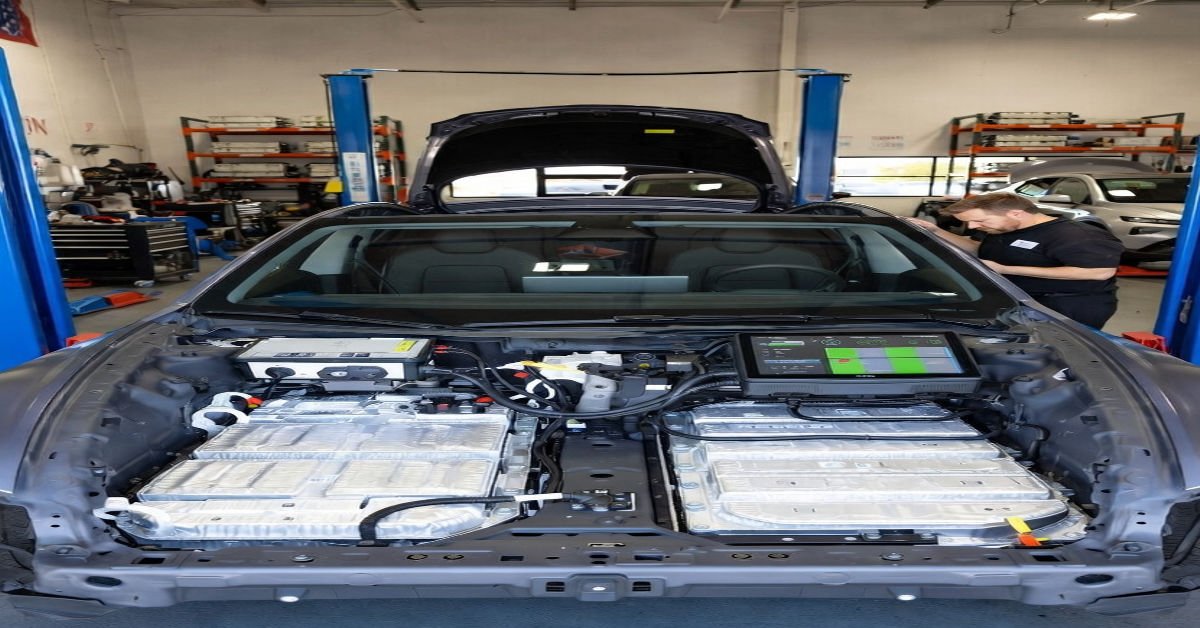
Electric vehicles (EVs) are no longer a niche choice in the United States. From compact city cars to long-range SUVs and electric pickup trucks, EV adoption is accelerating rapidly. However, as more Americans keep their EVs for longer periods, one critical topic is gaining attention: affordable EV battery upgrades in the USA.
For many owners, replacing or upgrading an EV battery sounds expensive and intimidating. The good news is that battery technology, aftermarket services, refurbished packs, and government incentives have evolved significantly. Today, upgrading an EV battery can be far more affordable, practical, and reliable than most people expect.
This guide is written to help everyday EV owners, fleet operators, and used-EV buyers understand how affordable battery upgrades work in the U.S. market, what options exist, how much they realistically cost, and how to avoid common mistakes.
Why EV Battery Upgrades Matter More Than Ever
EV batteries naturally degrade over time. After years of use, many owners notice reduced range, slower charging speeds, or limitations in performance. This does not mean the vehicle is obsolete. In most cases, the battery—not the car—is the limiting factor.
Battery upgrades can:
-
Restore lost driving range
-
Improve charging efficiency
-
Extend the usable life of an EV by 5–10 years
-
Reduce the environmental impact of replacing the entire vehicle
-
Save thousands of dollars compared to buying a new EV
In the U.S., where vehicle ownership cycles are longer than in many countries, affordable battery upgrades are becoming a key part of sustainable transportation.
Understanding EV Battery Degradation in Simple Terms
EV batteries are designed to last a long time, but they are not immune to wear. Degradation is influenced by factors such as charging habits, climate, driving style, and battery chemistry.
Most EVs in the U.S. experience:
-
About 1–3% battery capacity loss per year on average
-
Faster degradation in extremely hot or cold climates
-
Reduced performance after 8–12 years of use
Manufacturers typically provide battery warranties of 8 years or 100,000 miles. Once that warranty expires, owners start exploring affordable upgrade options instead of costly factory replacements.
What Does an EV Battery Upgrade Actually Mean?
An EV battery upgrade does not always mean replacing the entire battery pack with a brand-new one. In the U.S. market, upgrades usually fall into several categories:
-
Replacement with a refurbished or reconditioned battery
-
Partial module replacement inside the existing battery pack
-
Installing a higher-capacity battery from a newer model (where compatible)
-
Software and battery management system (BMS) optimization combined with hardware improvements
Each approach varies in cost, availability, and benefits.
Types of Affordable EV Battery Upgrades in the USA
The U.S. EV ecosystem offers multiple upgrade paths, making battery replacement more accessible than ever.
Refurbished EV Battery Packs
Refurbished batteries are carefully tested, repaired, and certified packs sourced from low-mileage vehicles or warranty returns. These batteries often cost 30–60% less than new ones and are widely available for popular EV models.
Module-Level Battery Repairs
Many EV batteries are built from multiple modules. If only a few modules degrade, specialized technicians can replace just those modules instead of the entire pack, significantly lowering costs.
Higher-Capacity Battery Retrofits
Some EVs can accept larger-capacity batteries from newer versions of the same model. While not universally supported, this option is gaining traction in the U.S. aftermarket.
Battery Software Optimization
In certain cases, perceived degradation is partly due to conservative software limits. Professional recalibration of the battery management system can unlock usable capacity without replacing hardware.
Cost Breakdown: Affordable EV Battery Upgrades in the USA
The biggest concern for most owners is cost. The table below shows realistic price ranges based on U.S. market data and service provider averages.
EV Battery Upgrade Cost Comparison (USA)
| Upgrade Type | Average Cost Range (USD) | Typical Warranty | Best For |
|---|---|---|---|
| Refurbished battery pack | $4,000 – $7,500 | 1–3 years | Older EVs with full pack degradation |
| Module-level repair | $2,000 – $4,500 | 6–24 months | Partial battery failure |
| New OEM replacement | $8,000 – $15,000 | 8 years | Newer EVs or warranty claims |
| Software & BMS optimization | $300 – $1,200 | Limited | Mild range loss |
These costs are far lower than replacing an entire vehicle and help make long-term EV ownership more affordable.
Popular EV Models with Affordable Battery Upgrade Options
Some EVs are better supported by the aftermarket than others. In the U.S., affordability often depends on how widely a model is sold and how modular its battery system is.
Common EVs with Cost-Effective Battery Upgrades
| EV Model | Upgrade Availability | Typical Upgrade Cost |
|---|---|---|
| Nissan Leaf | Very High | $3,500 – $6,500 |
| Tesla Model S (older) | High | $5,000 – $9,000 |
| Tesla Model 3 | Moderate | $6,000 – $10,000 |
| Chevy Bolt EV | High | $4,500 – $8,000 |
| BMW i3 | Moderate | $5,500 – $9,500 |
These models benefit from large owner communities, independent repair networks, and readily available refurbished battery packs.
Role of Independent EV Battery Specialists in the USA
One of the biggest reasons battery upgrades are becoming affordable is the rise of independent EV battery specialists. These companies focus exclusively on diagnostics, repairs, and battery upgrades rather than full vehicle sales.
Independent specialists often provide:
-
Lower labor costs than dealerships
-
Flexible upgrade options
-
Transparent diagnostics and testing reports
-
Shorter wait times
-
Customized solutions based on budget
For many U.S. EV owners, these specialists are the key to affordable battery upgrades without sacrificing reliability.
How Government Incentives Affect Battery Upgrade Affordability
While federal incentives are primarily aimed at new EV purchases, battery upgrades can still benefit indirectly from U.S. policies.
Some states and utilities offer:
-
Rebates for battery recycling and reuse
-
Incentives for extending EV lifespan
-
Reduced registration fees for older EVs
-
Local grants for fleet electrification upgrades
Additionally, refurbished battery use supports sustainability goals, which aligns with broader federal and state clean-energy initiatives.
Environmental Benefits of Upgrading Instead of Replacing
Affordability is not the only advantage of EV battery upgrades. Environmental impact is another major factor driving interest across the USA.
Upgrading an EV battery:
-
Reduces demand for raw materials like lithium and cobalt
-
Lowers manufacturing-related emissions
-
Keeps functional vehicles out of landfills
-
Supports circular economy practices
For environmentally conscious owners, upgrading a battery instead of buying a new vehicle is one of the most sustainable transportation decisions available.
Risks and How to Avoid Common Mistakes
While affordable options exist, EV battery upgrades require careful decision-making.
Common mistakes include:
-
Choosing uncertified refurbished batteries
-
Ignoring compatibility issues
-
Overlooking warranty coverage
-
Using inexperienced installers
-
Focusing only on upfront cost instead of long-term value
A trusted provider should offer battery health reports, transparent pricing, and post-installation support.
How to Choose the Right EV Battery Upgrade Provider
Before committing to an upgrade, U.S. EV owners should evaluate providers carefully.
Look for:
-
Proven experience with your EV model
-
Clear warranty terms
-
Diagnostic testing before replacement
-
Customer reviews and case studies
-
Compliance with safety and recycling regulations
An affordable upgrade is only valuable if it is reliable and safe.
Future Trends in Affordable EV Battery Upgrades in the USA
The future looks promising for cost-conscious EV owners. Several trends are already reshaping the market:
-
Improved battery modularity in newer EVs
-
Growth of second-life battery programs
-
Falling lithium-ion battery prices
-
Expansion of nationwide EV repair networks
-
Advancements in solid-state and LFP battery retrofits
These developments will continue to push battery upgrade costs downward while improving performance and safety.
Is an Affordable EV Battery Upgrade Worth It?
For most U.S. EV owners, the answer is yes—especially if the vehicle is mechanically sound and meets daily driving needs.
Battery upgrades make sense when:
-
The cost is significantly lower than buying a new EV
-
The vehicle still fits your lifestyle
-
Charging infrastructure is readily available
-
You want to reduce environmental impact
In many cases, an upgraded battery can make an older EV feel nearly new again.
Final Thoughts on Affordable EV Battery Upgrades in the USA
Affordable EV battery upgrades in the USA are no longer a fringe option. They are a practical, sustainable, and increasingly mainstream solution for extending the life of electric vehicles. Thanks to refurbished batteries, independent specialists, and advancing technology, EV owners now have real alternatives to costly factory replacements or new vehicle purchases.
As the American EV market matures, battery upgrades will play a central role in making electric mobility truly accessible for everyone—not just early adopters or high-budget buyers.
2 thoughts on “Affordable EV Battery Upgrades in the USA”