As the United Kingdom continues its transition toward a cleaner transportation future, electric vehicles (EVs) are becoming more common than ever. With rising fuel prices, government incentives, and growing awareness of environmental sustainability, more UK drivers are choosing to switch to electric cars. However, one essential part of EV ownership is often overlooked: installing a home EV charging station.
This detailed guide covers everything UK homeowners should know about home charging, including cost, installation, government grants, charger types, recommended brands, electricity tariffs, safety tips, and the future of EV charging technology. Whether you already own an EV or you’re planning to buy one soon, this article provides expert-level insights backed by up-to-date information.
What Is a Home EV Charging Station?
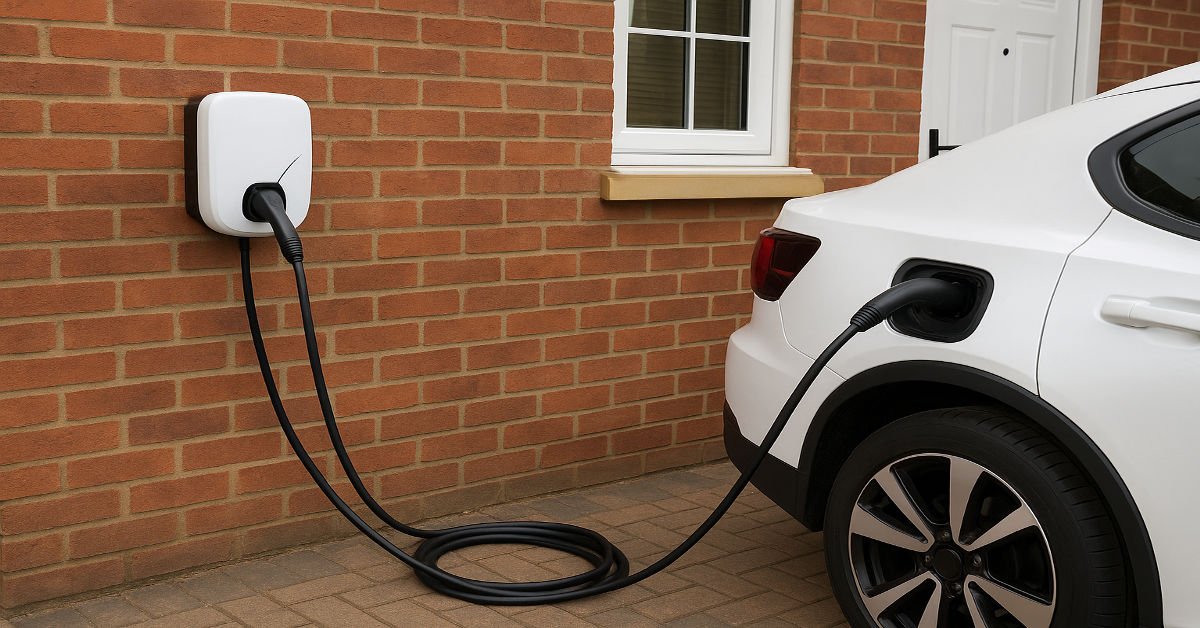
A home EV charging station, also known as a domestic EV charger or wallbox charger, is a device installed at your home to charge your electric vehicle faster and more safely than using a regular 3-pin socket. These devices are typically mounted on an exterior wall, inside a garage, or on a dedicated charging post.
Unlike public charging points, home chargers provide convenience, cost savings, and full control over charging times—especially when combined with smart tariffs or solar power.
Why Install a Home EV Charger in the UK?
Installing a home EV charger offers several practical benefits for UK households:
1. Faster Charging
A standard 7 kW home charger can fully charge most EVs in 6–8 hours. In comparison, a 3-pin plug can take more than 24 hours.
2. Lower Charging Costs
Home charging is significantly cheaper than public charging, especially using:
-
Off-peak tariffs
-
Smart EV tariffs
-
Solar energy
3. Convenience
You can plug in your EV overnight and wake up to a fully charged battery, eliminating the need to visit public chargers.
4. Increased Property Value
Buyers increasingly look for EV-ready homes. Having a charger already installed can boost property appeal.
5. Safety
Domestic charging stations offer:
-
Surge protection
-
Overheating protection
-
Smart load balancing
-
Waterproof and weather-proof design
Types of Home EV Chargers in the UK
The two most common charger types for home EV charging in the UK are:
Types of Home EV Chargers
| Charger Type | Power Output | Charging Speed | Suitable For |
|---|---|---|---|
| 3.6 kW (Single-Phase) | 3.6 kW | Slow to moderate | Small EVs, plug-in hybrids |
| 7 kW (Single-Phase) | 7.4 kW | Fast | Most UK homes and EVs |
| 11 kW (Three-Phase) | 11 kW | Very fast | Homes with 3-phase supply (rare in UK) |
| 22 kW (Three-Phase) | 22 kW | Ultra fast | Premium installations |
Most UK homes have a single-phase electrical supply, meaning the most common and recommended option is a 7 kW home charger.
Smart vs Non-Smart Chargers
Under UK regulations, newly installed domestic chargers must be smart chargers.
Smart Charger Features:
-
Load balancing to protect your home’s electrical supply
-
Remote control using a mobile app
-
Scheduled charging to reduce electricity bills
-
Energy usage monitoring
-
Solar integration
Smart chargers allow homeowners to optimise electricity use and avoid charging during peak periods.
Best Home EV Charging Stations in the UK (2025)
Choosing the right charger can feel overwhelming, but several brands stand out due to reliability, safety, and smart features.
Top Home EV Chargers in the UK
| Brand | Model | Key Features | Price Range |
|---|---|---|---|
| Ohme | Home Pro | Smart tariff integration, compact | £549–£699 |
| Pod Point | Solo 3 | Fast, reliable, app control | £799–£950 |
| Wallbox | Pulsar Max | Stylish, compact, smart features | £650–£900 |
| Zappi | Zappi v2.1 | Solar-compatible, eco-charging | £850–£1,100 |
| Andersen | A2 | Premium design, concealed cable | £1,200–£1,500 |
When selecting a charger, consider:
-
Your budget
-
Desired smart features
-
Electricity tariff
-
Aesthetics
-
Solar integration
-
Cable type (tethered vs untethered)
Tethered vs Untethered Chargers
Tethered Charger
-
Comes with a fixed charging cable
-
Very convenient
-
Easier for everyday use
Untethered Charger
-
No attached cable
-
Cleaner appearance
-
Flexible if you change EV brands
Cost of Installing a Home EV Charging Station (UK 2025)
The cost of a home EV charger installation in the UK depends on several factors, such as:
-
Charger brand
-
Cable length
-
Complexity of wiring
-
Distance from consumer unit
-
Smart features
Typical Cost Breakdown
| Item | Average Cost |
|---|---|
| Charger unit | £500–£1,200 |
| Standard installation | £300–£600 |
| Additional wiring/upgrade | £100–£500 |
| Total estimated cost | £800–£1,800 |
Prices may vary depending on additional electrical upgrades required.
Government Grants and Incentives for Home EV Chargers
As of 2025, the OZEV Homecharge Scheme offers grants for specific homeowners—primarily:
Eligibility Categories:
-
Flat owners
-
Those living in rented accommodation
-
Landlords
-
Social housing providers
Grant Amount:
Up to £350 off the installation cost.
Homeowners living in single-unit detached or semi-detached homes generally do not qualify unless renting.
How to Install a Home EV Charging Station in the UK
Installing an EV charger must always be done by a certified and OZEV-approved installer. The installation process typically involves:
Step 1: Home Survey
The installer checks:
-
Consumer unit capacity
-
Cable route
-
Wi-Fi signal availability
-
Location suitability (garage or driveway)
Step 2: Electrical Upgrades (if needed)
Some homes may require upgrades such as:
-
New consumer unit
-
Load management features
-
Earthing system improvements
Step 3: Wallbox Installation
The charger is mounted and connected to your home’s electrical system.
Step 4: Setup and Testing
The installer will:
-
Configure smart features
-
Test charging
-
Provide mobile app access
What Power Supply Do You Need?
Most UK homes easily support 7.4 kW single-phase chargers.
For faster 11 kW or 22 kW chargers, a three-phase supply is required, which most UK households do not have.
Best Electricity Tariffs for Home EV Charging UK
Using an EV-friendly tariff can significantly reduce charging costs.
Popular EV Tariffs Include:
-
Octopus Go
-
Octopus Intelligent
-
OVO Charge Anytime
-
British Gas EV Tariffs
These plans often offer cheap off-peak rates, sometimes as low as 7.5p/kWh.
Sample Off-Peak Charging Costs
| Tariff | Off-Peak Rate | Cost to Fully Charge a 60 kWh EV |
|---|---|---|
| Octopus Go | 7.5p | £4.50 |
| OVO Anytime | 10p | £6.00 |
| British Gas EV | 12p | £7.20 |
Compared to petrol cars, EV charging is significantly more economical.
Home EV Charging with Solar Panels
Using solar power to charge your EV is one of the cheapest and most environmentally friendly solutions.
Benefits:
-
Zero cost per kWh during solar generation
-
Reduced carbon footprint
-
Works even during winter with battery storage
Best Solar-Compatible Chargers:
-
Zappi v2.1
-
Wallbox Quasar 2 (bidirectional)
How Long Does It Take to Charge an EV at Home?
Charging time depends on charger power and battery size.
Charging Time Examples
| Charger Power | EV Battery Size | Approx. Charge Time |
|---|---|---|
| 7.4 kW | 40 kWh | 5–6 hours |
| 7.4 kW | 60 kWh | 7–8 hours |
| 7.4 kW | 80 kWh | 10–11 hours |
Most homeowners schedule charging overnight during off-peak hours.
Safety Tips for Home EV Charging
Home EV chargers are extremely safe when installed correctly. Follow these safety precautions:
-
Use only certified installers
-
Avoid using 3-pin plugs regularly
-
Ensure cable storage is secure
-
Maintain adequate ventilation in garages
-
Don’t overload extension sockets
-
Regularly inspect plug and cable condition
Common Questions About Home EV Charging in the UK
1. Can I install my own EV charger?
No. Only qualified and certified installers should install EV chargers.
2. Do I need permission from my local council?
In most cases, no. However, certain conservation or listed properties may require approval.
3. Can I charge my EV in the rain?
Yes. Domestic chargers are waterproof and designed for UK weather.
4. Can I charge using a regular socket?
Yes, but it is slow and not recommended for daily charging.
5. Can renters install EV chargers?
Yes, with landlord permission and OZEV grant eligibility.
Future of Home EV Charging in the UK
Technology is rapidly changing. Future home charging features may include:
-
Vehicle-to-Home (V2H) power export
-
Ultra-smart charging automation
-
Wireless charging pads
-
Advanced AI-based load management
-
Integration with smart home ecosystems
These innovations will further enhance convenience and reduce electricity costs.
Conclusion: Is a Home EV Charging Station Worth It?
A home EV charging station is one of the best investments for any UK electric vehicle owner. It provides cost savings, reliability, convenience, and future-proof energy management. With the growth of EV adoption and ongoing government support, now is an excellent time to install a home charger.
Whether you choose an Ohme, Pod Point, Zappi, Wallbox, or another trusted brand, the benefits of home charging will significantly enhance your EV ownership experience.
1 thought on “Home EV Charging Station UK: A Complete Guide for Homeowners (2025)”