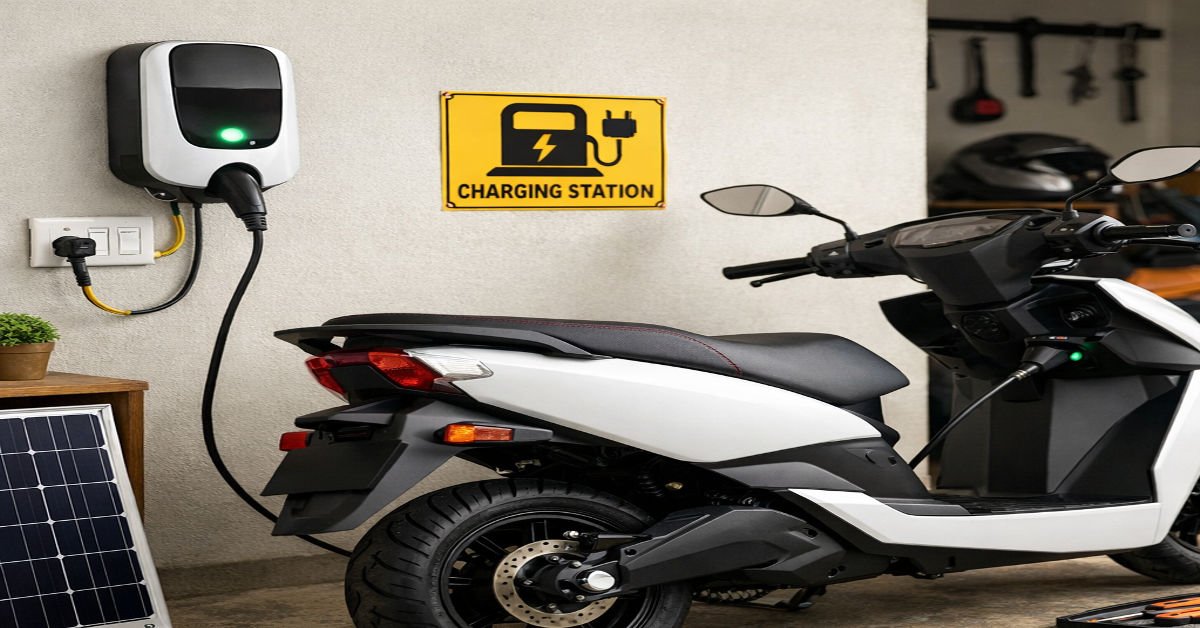
The rapid rise of electric vehicles has made electric bikes (EV bikes) a common choice for daily commuting, especially in urban and semi-urban areas. With increasing fuel prices and growing environmental awareness, many households now own at least one electric two-wheeler. As a result, understanding how to create a safe, reliable, and cost-effective home EV bike charging setup has become extremely important.
Charging your EV bike at home is convenient, economical, and time-saving. However, an improper setup can lead to safety hazards, battery damage, or higher electricity bills. This comprehensive guide explains everything you need to know about setting up EV bike charging at home, based on real-world usage, expert electrical practices, and current industry standards.
Understanding Home EV Bike Charging
Home EV bike charging refers to charging your electric two-wheeler using your household electricity supply. Most electric bikes sold today are designed to support home charging using standard sockets, making them highly accessible for owners.
Unlike electric cars, EV bikes typically require lower power and shorter charging time. However, the charging system still involves electrical components that must be handled carefully.
Types of EV Bike Chargers Used at Home
EV bikes generally come with one of the following charger types:
| Charger Type | Description | Common Use |
|---|---|---|
| Portable Charger | Comes with the bike, plugs into standard socket | Daily home charging |
| Wall-Mounted Charger | Fixed charging unit installed on wall | Dedicated home setup |
| Fast Charger | Higher power charger (limited models) | Advanced users |
Most EV bike owners rely on portable chargers, which makes home charging easy without additional infrastructure.
Electricity Requirements for Home EV Bike Charging
Before setting up charging at home, it is important to understand the basic electricity needs.
| Requirement | Typical Specification |
|---|---|
| Voltage | 220–240V AC |
| Socket Type | 5A or 15A socket |
| Power Consumption | 0.5 to 1.5 units per full charge |
| Earthing | Mandatory |
| Wiring Condition | Good quality copper wiring |
A normal household power connection is sufficient, but safety measures must be followed.
Choosing the Right Location for Charging
The charging location plays a crucial role in safety and convenience. Ideally, charging should be done in a dry, well-ventilated, and easily accessible area.
Recommended Charging Locations
-
Covered parking area
-
Garage with proper ventilation
-
Shaded outdoor space with weather protection
Locations to Avoid
-
Areas exposed to rain or flooding
-
Near flammable materials
-
Loose wiring zones
-
Overcrowded indoor spaces
Choosing the right location reduces risks and improves battery lifespan.
Step-by-Step Home EV Bike Charging Setup
Setting up a home EV bike charging system is straightforward if done properly.
Step 1: Inspect Your Home Electrical System
Ensure your home wiring is in good condition and supports continuous power draw. Old or damaged wiring should be replaced.
Step 2: Install a Dedicated Power Socket
A separate socket exclusively for EV charging is highly recommended to avoid overloading.
Step 3: Ensure Proper Earthing
Proper earthing prevents electric shocks and protects the charger and battery.
Step 4: Use the Manufacturer-Approved Charger
Always use the charger provided or approved by the EV bike manufacturer.
Step 5: Avoid Extension Cords
Direct wall sockets are safer than extension cables.
Importance of a Dedicated Charging Point
While many users initially charge their EV bikes using existing sockets, a dedicated charging point offers long-term benefits.
| Feature | Regular Socket | Dedicated Charging Point |
|---|---|---|
| Safety | Medium | High |
| Load Handling | Limited | Optimized |
| Convenience | Moderate | Excellent |
| Maintenance | Frequent | Minimal |
A dedicated point ensures stable charging and reduces electrical stress.
Charging Time for EV Bikes at Home
Charging time depends on battery capacity, charger type, and power supply.
| Battery Capacity | Average Charging Time |
|---|---|
| 1.5 kWh | 3–4 hours |
| 2.5 kWh | 4–5 hours |
| 3.5 kWh | 5–6 hours |
| 4.0 kWh | 6–7 hours |
Overnight charging is the most common and cost-effective option.
Electricity Cost for Home EV Bike Charging
One of the biggest advantages of EV bikes is their low running cost.
| Parameter | Approximate Value |
|---|---|
| Cost per unit | ₹6–₹8 |
| Units per full charge | 1–1.5 |
| Cost per charge | ₹6–₹12 |
| Monthly cost (daily use) | ₹180–₹350 |
Compared to petrol vehicles, the savings are significant.
Safety Precautions While Charging at Home
Safety should never be compromised when dealing with electricity.
Essential Safety Tips
-
Never charge with wet hands
-
Do not cover the charger during operation
-
Avoid charging during voltage fluctuations
-
Unplug charger after full charge
-
Keep charger away from children
These simple precautions can prevent accidents and equipment damage.
Battery Care During Home Charging
Proper charging habits help extend battery life.
| Best Practice | Benefit |
|---|---|
| Charge between 20%–80% | Improves battery health |
| Avoid frequent fast charging | Reduces heat stress |
| Store at moderate temperature | Prevents degradation |
| Avoid overcharging | Maintains capacity |
Lithium-ion batteries last longer when handled correctly.
Smart Charging Features in Modern EV Bikes
Many modern EV bikes come with intelligent charging features.
Common Smart Features
-
Auto cut-off on full charge
-
Thermal protection
-
Voltage fluctuation control
-
Mobile app monitoring
These features improve safety and convenience for home users.
Solar Power Integration for Home EV Bike Charging
For environmentally conscious users, solar charging is an excellent option.
Benefits of Solar Charging
-
Zero electricity cost
-
Eco-friendly
-
Reduces grid dependency
-
Long-term savings
Basic Solar Setup Components
| Component | Purpose |
|---|---|
| Solar Panels | Generate electricity |
| Inverter | Convert DC to AC |
| Battery Storage | Store excess power |
| Charge Controller | Regulate charging |
Even a small solar setup can support daily EV bike charging.
Common Mistakes to Avoid
Many EV bike owners unknowingly make mistakes that reduce safety or efficiency.
Mistakes to Watch Out For
-
Using low-quality extension cords
-
Charging in poorly ventilated areas
-
Ignoring damaged plugs or wires
-
Overloading multi-plug boards
-
Using non-certified chargers
Avoiding these errors ensures a safe charging experience.
Government Guidelines and Electrical Standards
While EV bike charging at home does not usually require special permission, following basic electrical standards is important.
General Guidelines
-
Use certified electrical components
-
Follow local electrical safety norms
-
Hire a licensed electrician if modifications are required
-
Maintain proper earthing
Adhering to standards builds trust and safety.
Maintenance Tips for Home Charging Equipment
Regular inspection keeps your charging setup reliable.
| Maintenance Task | Frequency |
|---|---|
| Check socket condition | Monthly |
| Inspect charger cable | Monthly |
| Clean charging area | Weekly |
| Test earthing | Every 6 months |
Preventive maintenance avoids unexpected failures.
Is Home EV Bike Charging Safe?
Yes, home EV bike charging is safe when done correctly. EV bikes are designed for household charging and include multiple safety layers. Most reported issues occur due to poor wiring or misuse, not the EV technology itself.
With proper setup and responsible usage, home charging is reliable and secure.
Who Should Consider Professional Installation?
You should consult a professional electrician if:
-
Your home wiring is old
-
You plan to install a wall-mounted charger
-
Voltage fluctuations are frequent
-
Earthing is inadequate
Professional installation ensures compliance and peace of mind.
Future of Home EV Bike Charging
As EV adoption grows, home charging solutions will become smarter and more efficient. Future developments may include:
-
AI-based charging optimization
-
Wireless charging pads
-
Grid-connected smart meters
-
Faster and safer charging standards
Home charging will remain the backbone of EV bike usage.
https://drive.google.com/file/d/1bgnuaH2AmE7ZnpUAbcuITLwoCGrlWEFD/view?usp=sharing
Final Thoughts
Setting up a home EV bike charging system is one of the smartest decisions an electric two-wheeler owner can make. It offers unmatched convenience, low running cost, and complete control over charging habits. With proper planning, safe electrical practices, and regular maintenance, home charging can serve you reliably for years.
Whether you are a new EV bike owner or planning to buy one, understanding the home charging setup helps you make informed decisions and avoid unnecessary risks. As electric mobility continues to grow, home EV bike charging will play a vital role in building a sustainable and efficient transportation ecosystem.
4 thoughts on “Home EV Bike Charging Setup: A Complete Practical Guide for Safe and Efficient Charging”