Introduction
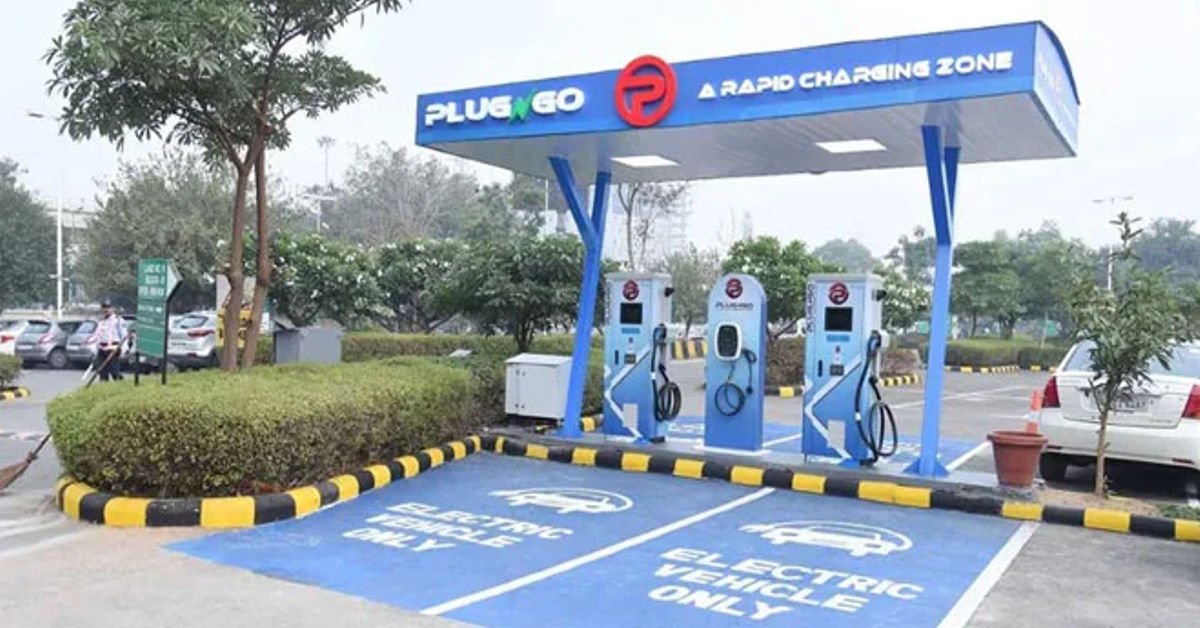
India is on the brink of a major transformation in its transportation ecosystem. As the world shifts toward sustainable mobility, electric vehicles (EVs) have emerged as a cleaner, more energy-efficient alternative to internal combustion engine (ICE) vehicles. However, the rapid adoption of EVs hinges on one crucial factor — a strong and reliable EV fast-charging network.
Understanding EV Fast Charging
What is EV Fast Charging?
EV fast charging refers to the use of Direct Current (DC) chargers that can power an electric vehicle from 10% to 80% within 20–60 minutes, depending on the vehicle and charger type. Unlike AC slow chargers used at homes or offices, DC fast chargers deliver power directly to the EV battery without conversion losses.
Types of EV Charging Levels
| Charging Type | Power Output | Charging Time | Common Location |
|---|---|---|---|
| AC Level 1 (Slow) | 2–3 kW | 8–12 hours | Home Charging |
| AC Level 2 (Moderate) | 7–22 kW | 4–6 hours | Apartments, Offices |
| DC Fast Charging | 30–150 kW | 20–60 minutes | Highways, Malls, Public Stations |
| Ultra-Fast Charging | 150–350 kW+ | 10–30 minutes | Expressways, Fleet Depots |
As EV ownership grows, the need for DC and ultra-fast charging stations becomes increasingly vital to support long-distance travel and commercial fleet operations.
The Importance of a Robust Fast-Charging Network in India
India’s EV market is witnessing exponential growth. According to data from NITI Aayog, India aims to have 30% of all vehicle sales electric by 2030. To achieve this target, the charging infrastructure must expand at a matching pace.
Why Fast Charging Is Crucial
-
Reduced Range Anxiety:
Fast chargers help EV owners travel longer distances without worrying about battery range. -
Convenience and Time Efficiency:
Fast charging offers near fuel-station-like convenience, improving user adoption. -
Fleet Electrification Support:
Commercial fleets such as taxis, buses, and delivery vehicles rely on quick charging to maintain uptime. -
Boosts Economic Growth:
Investments in charging infrastructure create new business opportunities and jobs. -
Encourages Rural Adoption:
A strong charging grid makes EVs viable even outside metropolitan areas.
Current Status of the EV Fast Charging Network in India
Growth Snapshot
| Parameter | 2022 | 2025 (Projected) |
|---|---|---|
| Number of Public EV Chargers | ~5,000 | ~25,000+ |
| DC Fast Chargers (Share) | 15% | 35–40% |
| Cities with Fast Chargers | 20+ | 70+ |
| Major Highways Covered | Limited | Pan-India Expansion Underway |
As of 2025, India has witnessed over 5x growth in EV charging stations compared to 2022. Despite progress, there’s still one public charger for every 230–250 EVs, indicating room for significant expansion.
Government Policies Driving EV Fast Charging Infrastructure
The Indian government has implemented several policy frameworks and incentives to boost EV charging infrastructure:
A. FAME II Scheme
-
The Faster Adoption and Manufacturing of Hybrid and Electric Vehicles (FAME-II) scheme provides subsidies for setting up 2,877 EV charging stations across 68 cities and major highways.
B. National Electric Mobility Mission Plan (NEMMP)
-
Targets accelerating EV adoption with public-private partnerships and infrastructure support.
C. Guidelines for EV Charging Infrastructure (2022 Update)
-
Mandates public charging every 3 km in cities and every 25 km on highways.
-
Encourages open access to charging stations and interoperability standards.
D. State-Level Initiatives
-
Delhi, Maharashtra, Tamil Nadu, and Karnataka lead in policy incentives, offering rebates, free land, and reduced electricity tariffs for charging operators.
Key Industry Players Building the Fast Charging Network
The Indian EV fast-charging ecosystem is supported by a blend of private companies, energy giants, and automakers.
Top Companies & Their Contributions
| Company | Key Contributions |
|---|---|
| Tata Power EZ Charge | Operates 5,000+ charging points nationwide, including DC fast chargers in major metros. |
| Statiq | Building over 20,000 chargers across highways and commercial hubs. |
| ChargeZone | Deploying high-speed CCS2 chargers along the Delhi-Mumbai Expressway. |
| Fortum Charge & Drive | European company expanding ultra-fast chargers (50–150 kW). |
| Bolt.Earth | Focused on smart fast chargers for fleet and retail customers. |
| IOCL & BPCL | Setting up EV chargers at existing petrol stations along highways. |
Technological Advancements in Fast Charging
Charging Connectors in India
India supports multiple global charging standards:
| Standard | Type | Used By | Power Output |
|---|---|---|---|
| CCS2 | DC Fast | Most New EVs (Tata, Hyundai, MG) | 50–350 kW |
| CHAdeMO | DC Fast | Nissan Leaf, some imports | 50 kW |
| Type 2 (Mennekes) | AC Fast | Cars & Two-Wheelers | 7–22 kW |
| GB/T | DC Fast (Chinese Std.) | Buses & Fleets | 120 kW |
Smart Charging Innovations
-
App-based Access: Users can locate, book, and pay digitally.
-
Energy Management Systems: Load balancing to avoid grid stress.
-
Vehicle-to-Grid (V2G) Technology: Future-ready bidirectional energy exchange.
-
AI-driven Optimization: Predicts usage and maintenance requirements.
The Role of Public-Private Partnerships
Public-private collaborations are the backbone of India’s charging expansion. Oil companies, government bodies, and EV startups are working together to speed up deployment.
Examples
-
Indian Oil x Fortum: Installing 50+ high-speed stations along highways.
-
Tata Power x HPCL: Rolling out chargers at petrol bunks.
-
IOCL x EVRE: Expanding network with solar-powered fast chargers.
Such collaborations are essential for large-scale coverage and cost optimization.
Challenges Facing the Fast Charging Ecosystem
Even with government and private investment, several roadblocks remain.
1. High Installation Costs
-
A single 50 kW DC charger can cost ₹10–15 lakhs, excluding land and power costs.
2. Grid Limitations
-
Many regions lack the grid capacity to support high-power charging stations.
3. Land & Permission Hurdles
-
Urban space constraints and lengthy approval processes delay station setup.
4. Limited Interoperability
-
Different payment apps and connector types create inconsistency in user experience.
5. Maintenance and Reliability
-
Frequent technical failures or downtime reduce customer trust.
Emerging Solutions and Opportunities
Despite challenges, innovation and technology are paving the way for smoother expansion.
Renewable-Powered Chargers
-
Companies are integrating solar panels and battery energy storage to make charging more sustainable and grid-independent.
Battery Swapping for Fleets
-
Startups like SUN Mobility offer quick battery swaps for two-wheelers and rickshaws, complementing fast charging.
AI-Powered Monitoring Systems
-
Real-time fault detection ensures higher uptime and predictive maintenance.
Ultra-Fast Chargers for Highways
-
150–300 kW chargers allow EVs to recharge 80% in just 15–20 minutes, making long drives practical.
Fast Charging Network Coverage Across India
Top 5 States by Number of Charging Stations
| State | Approx. Chargers (2025) | Major Cities Covered |
|---|---|---|
| Maharashtra | 3,500+ | Mumbai, Pune, Nagpur |
| Delhi NCR | 3,000+ | Delhi, Gurugram, Noida |
| Karnataka | 2,800+ | Bengaluru, Mysuru |
| Tamil Nadu | 2,500+ | Chennai, Coimbatore |
| Gujarat | 2,000+ | Ahmedabad, Surat, Vadodara |
Highway Corridors with Fast Chargers
-
Delhi–Agra–Lucknow Expressway
-
Mumbai–Pune Expressway
-
Bangalore–Chennai Highway
-
Ahmedabad–Jaipur Corridor
These routes are being equipped with CCS2 and GB/T fast chargers at intervals of 50–60 km for seamless travel.
Future Roadmap: What Lies Ahead
India’s EV fast-charging network is expected to evolve rapidly over the next five years.
Projections by 2030
| Parameter | 2025 Estimate | 2030 Target |
|---|---|---|
| Public Chargers | 25,000+ | 100,000+ |
| DC Fast Chargers | 35% | 60% |
| EV Penetration (New Sales) | 10–12% | 30%+ |
| Charger-to-Vehicle Ratio | 1:230 | 1:50 |
Trends to Watch
-
Wider Highway Coverage: 100% of national highways to be EV-ready.
-
Unified Payment Systems: One app for all chargers.
-
Smart City Integration: Chargers in malls, parking lots, and metro hubs.
-
Fleet Electrification: Public transport to adopt high-capacity charging depots.
-
Make-in-India Manufacturing: Indigenous fast charger production to lower costs.
Consumer Benefits and EV Ownership Experience
A. Reduced Charging Time
Fast chargers bring convenience similar to traditional fuel refilling, promoting EV confidence among new buyers.
B. Cost Savings
Despite higher upfront installation costs, charging remains 60–70% cheaper than petrol or diesel per kilometer.
C. Eco-Friendly Travel
Using renewable-powered fast chargers drastically cuts CO₂ emissions.
D. Business Opportunities
EV charging stations can serve as multi-service hubs — combining retail stores, rest areas, and dining outlets.
Expert Insights
According to NITI Aayog, a well-distributed network of 46,000 fast chargers could support India’s EV demand by 2030. Industry leaders believe this transformation will also position India as a global EV manufacturing hub.
Expert Quote:
“India’s EV journey depends not only on the vehicles but also on how accessible and efficient our charging networks are. Fast chargers will be the backbone of this mobility revolution.”
— Dr. Rajesh Kannan, EV Infrastructure Expert, IIT Madras
Conclusion: The Future is Fast, Electric, and Sustainable
The EV fast charging network in India is no longer a futuristic dream — it’s happening right now. From highways lined with fast chargers to smart cities integrating EV infrastructure, India is accelerating toward a clean mobility era.
While challenges like cost, grid readiness, and standardization remain, the progress made so far is remarkable. Public-private partnerships, state incentives, and innovative technology are driving India toward becoming a global leader in sustainable transportation.
For EV owners and enthusiasts, this is the perfect time to embrace the change. With a growing network, reduced charging times, and eco-friendly operations, the EV revolution promises not just cleaner air but also a smarter, greener, and more connected future for all.
3 thoughts on “EV Fast Charging Network in India: The Road to an Electrified Future”