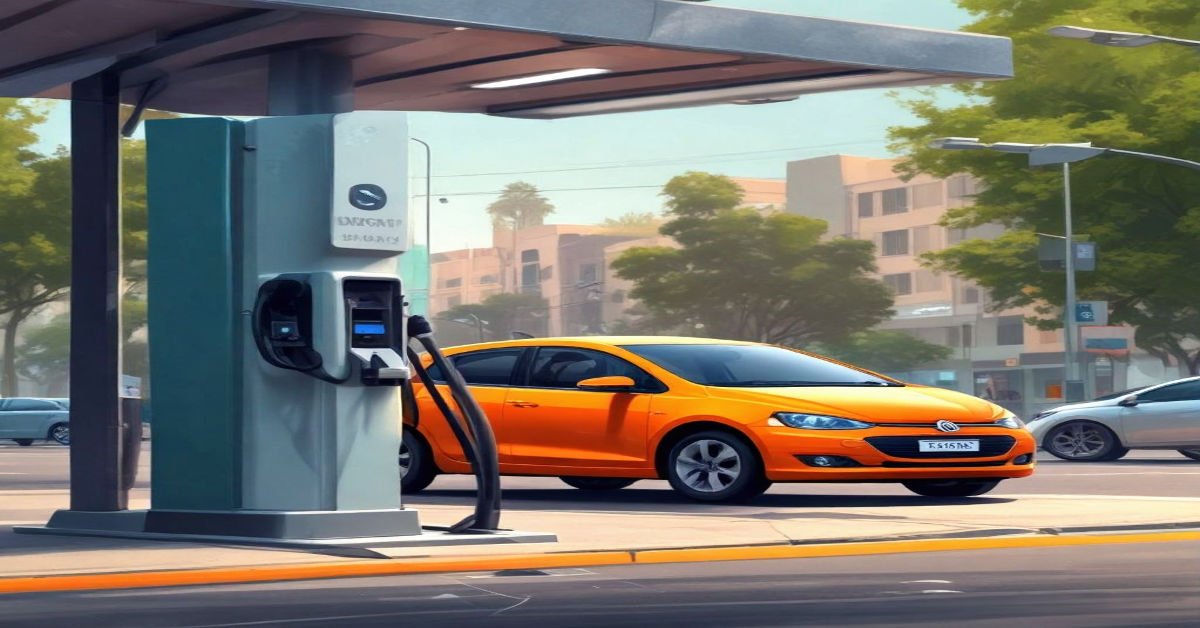
EV Charging Station Government Subsidy: As India accelerates toward a clean mobility future, the government is offering strong financial support to individuals and businesses interested in building EV charging stations. These EV charging station government subsidies are designed to reduce upfront costs, promote sustainable transport, and help the country achieve its ambitious EV targets.
This guide explains the latest subsidies, eligibility rules, cost breakdowns, and step-by-step instructions to claim these incentives in 2025.
What Is an EV Charging Station Government Subsidy?
An EV charging station government subsidy is a financial incentive provided by central or state authorities to reduce installation costs for Charge Point Operators (CPOs), businesses, housing societies, and entrepreneurs. These subsidies help:
-
Lower setup cost
-
Improve profitability
-
Accelerate EV adoption
-
Expand charging infrastructure
Central Government Subsidies for EV Charging Stations
The Indian government provides national-level incentives through:
1. FAME-II Scheme (Faster Adoption and Manufacturing of Electric Vehicles)
The FAME-II scheme supports public EV charging stations by offering subsidies for slow and fast chargers.
2. Ministry of Power Guidelines
The ministry promotes EV charging stations by:
-
Allowing charging at flexible tariffs
-
Permitting open access electricity
-
Minimizing administrative charges
Subsidy Table: Central Government Support (2025)
| Charger Type | Approx Subsidy | Details |
|---|---|---|
| AC Slow Charger (3.3 kW–22 kW) | 25% of charger cost | For public/semi-public locations |
| DC Fast Charger (15 kW–50 kW) | 30–40% of charger cost | Under FAME-II approved locations |
| High-Speed Charger (50 kW+) | Project-based approval | Mostly for highways and fleets |
State-Wise EV Charging Subsidies (2025)
Several states provide additional benefits like capital subsidies, electricity tariff discounts, tax exemptions and rental support.
State-Level Incentives Overview
| State | Subsidy Offered | Key Benefits |
|---|---|---|
| Delhi | 100% subsidy on slow EV chargers up to ₹6,000 | Reduced electricity tariff |
| Maharashtra | Subsidy up to ₹10 lakh for public charging stations | Property tax benefits |
| Gujarat | Capital subsidy up to 25% | Lower power tariffs |
| Tamil Nadu | Up to 20% capital subsidy | Industrial EV clusters |
| Karnataka | Land lease support | 100% exemption on some state taxes |
How Much Does It Cost to Install an EV Charging Station?
Below is a comparative cost table before and after government subsidies.
EV Charging Station Cost Comparison
| Item | Without Subsidy (₹) | With Subsidy (₹) |
|---|---|---|
| AC Slow Charger Setup | 70,000 – 1,00,000 | 40,000 – 70,000 |
| DC Fast Charger Setup | 7 lakh – 12 lakh | 4 lakh – 8 lakh |
| High-Speed DC Charger | 20 lakh – 50 lakh | 12 lakh – 30 lakh |
Subsidies reduce overall cost by 25–40%, making EV charging businesses more profitable.
Eligibility Criteria for EV Charging Station Subsidies
To receive government incentives, applicants must fulfill basic conditions:
-
Must be an Indian citizen, business, or registered company
-
Installation should be in a public, semi-public, or approved private location
-
Equipment must follow BIS standards and safety norms
-
Use government-approved EV chargers
-
Must comply with local DISCOM (electricity provider) guidelines
Documents Required for Subsidy Application
-
Applicant ID proof
-
Property ownership proof / rental agreement
-
Electrical load approval
-
Charger purchase invoice
-
Business registration certificate (if applicable)
-
Bank account details for subsidy transfer
How to Apply for EV Charging Station Government Subsidy
Step-by-Step Process
-
Choose a Location — Residential society, commercial complex, fuel station, or public space
-
Select Charger Type based on expected footfall
-
Apply to DISCOM for load enhancement
-
Purchase approved chargers from certified manufacturers
-
Install chargers with authorized installation partners
-
Submit documents online under state or FAME-II portal
-
Verification and approval by authorities
-
Receive subsidy directly in your bank account
Benefits of Government Subsidies for EV Charging Stations
-
Lower startup cost
-
Faster return on investment (ROI)
-
Increased demand for charging stations
-
Boost to green mobility
-
Higher traffic at commercial locations
Conclusion
Government subsidies for EV charging stations play a major role in expanding India’s clean mobility infrastructure. With financial support at both central and state levels, 2025 is an excellent year for entrepreneurs, businesses, and housing societies to invest in EV charging infrastructure.