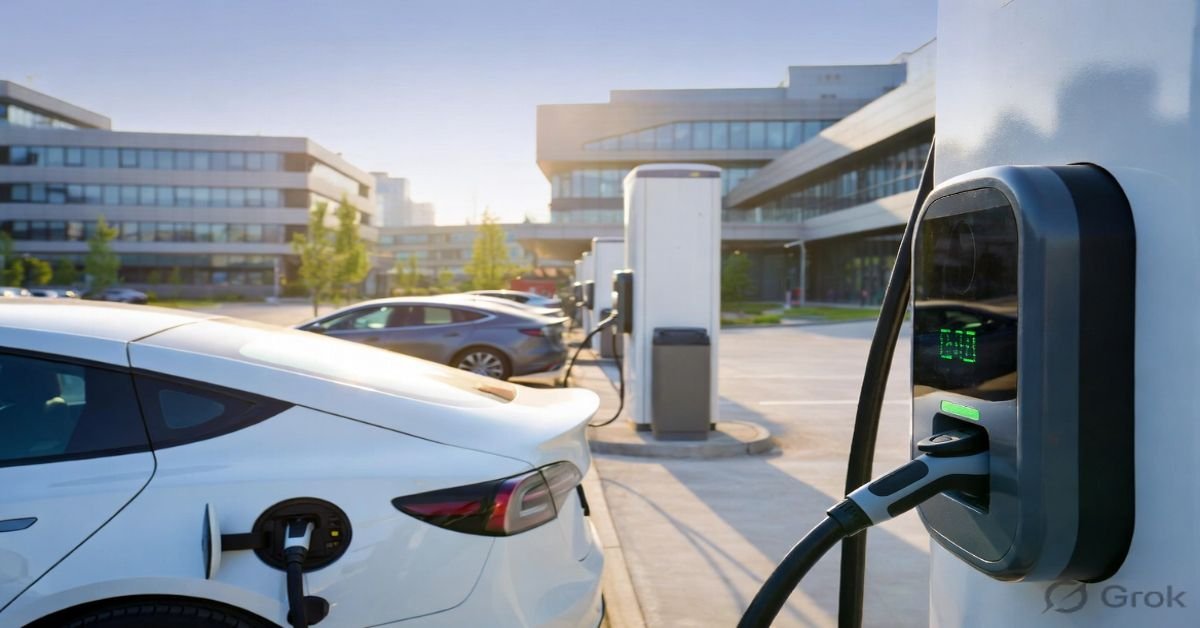
The rapid growth of electric vehicles (EVs) across the globe has created a strong demand for reliable and accessible charging infrastructure. EV charging station expansion is now a critical part of building a sustainable transportation ecosystem. Governments, private companies, and energy providers are investing heavily to ensure that EV users can charge their vehicles conveniently and efficiently.
What is EV Charging Station Expansion?
EV charging station expansion refers to the development and installation of more charging points across cities, highways, and rural areas. It includes both public and private charging infrastructure, ensuring EV users have easy access to power wherever they travel.
The expansion involves different types of chargers, locations, and technologies to meet the growing needs of EV owners.
Types of EV Charging Stations
Understanding the types of EV charging stations is important for both users and investors.
| Charging Type | Description | Charging Speed | Best Use Case |
|---|---|---|---|
| Level 1 Charging | Uses standard household outlets | Slow | Home charging |
| Level 2 Charging | Uses dedicated charging equipment | Moderate | Residential and commercial spaces |
| DC Fast Charging | High-power chargers for quick charging | Fast | Highways and public stations |
Level 2 and DC fast chargers are the main focus of expansion efforts due to their efficiency and convenience.
Read more:What is the $2500 EV Incentive in Texas?
Why EV Charging Expansion is Important
The growth of EV charging stations directly impacts the adoption of electric vehicles. Without proper infrastructure, users may face range anxiety and limited usability.
Here are key reasons why expansion is essential:
- Encourages more people to switch to electric vehicles
- Supports environmental sustainability by reducing emissions
- Improves long-distance travel convenience
- Boosts economic growth and job creation
Current Trends in EV Charging Expansion
The EV infrastructure sector is evolving rapidly with new technologies and strategies.
| Trend | Description |
|---|---|
| Ultra-fast chargers | Reduces charging time significantly |
| Smart charging systems | Optimizes energy usage and cost |
| Renewable energy integration | Solar and wind-powered charging stations |
| Public-private partnerships | Government and companies working together |
These trends are shaping a smarter and more efficient charging ecosystem.
Key Locations for Charging Station Growth
Charging stations are being installed strategically to maximize accessibility and convenience.
| Location Type | Importance |
|---|---|
| Highways | Enables long-distance EV travel |
| Urban areas | Supports daily commuting |
| Residential complexes | Convenient home charging |
| Commercial centers | Attracts customers and supports business growth |
Expanding into rural areas is also becoming a priority to ensure equal access.
Challenges in EV Charging Expansion
Despite rapid growth, several challenges still need to be addressed.
- High installation and maintenance costs
- Power grid limitations in some regions
- Lack of standardization in charging systems
- Limited awareness among users
Addressing these challenges will require coordinated efforts from governments, energy providers, and private companies.
Read more:EV Lithium-Ion Battery Replacement
Benefits for Businesses and Investors
EV charging infrastructure is not only beneficial for users but also presents strong opportunities for businesses.
| Benefit | Explanation |
|---|---|
| New revenue streams | Charging fees and subscriptions |
| Increased customer traffic | Charging stations attract EV users |
| Brand value | Supports sustainability initiatives |
| Long-term growth | EV adoption is steadily increasing |
Many companies are now integrating charging stations into their business models.
Future of EV Charging Infrastructure
The future of EV charging is promising, with continuous innovation and investment. Wireless charging, battery swapping, and AI-powered charging management systems are expected to become more common.
Governments worldwide are also setting targets to expand EV infrastructure significantly in the coming years. This will further accelerate the transition to clean and green mobility.
Conclusion
EV charging station expansion is a key pillar in the transition toward sustainable transportation. With increasing EV adoption, the demand for reliable and fast charging infrastructure will continue to grow.
By addressing current challenges and investing in advanced technologies, the EV ecosystem can become more efficient, accessible, and environmentally friendly. For users, businesses, and governments alike, expanding EV charging networks is not just an option—it is a necessity for the future.