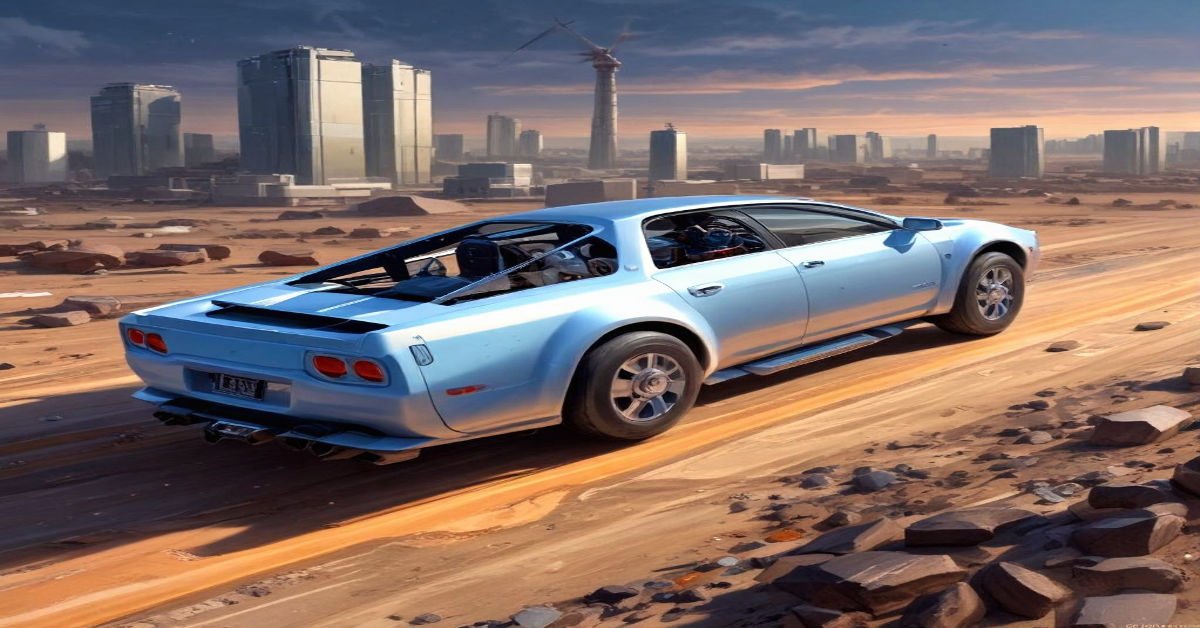
Lithium-Ion Battery Improvements in 2025 As electric vehicles continue to dominate the global mobility transition, 2025 stands out as a milestone year for lithium-ion battery advancements. Backed by new research, enhanced materials, and large-scale industry investments, lithium-ion batteries are becoming more efficient, safer, and significantly cheaper.
🔋 What’s New in Lithium-Ion Battery Technology in 2025?
Lithium-ion battery technology has evolved rapidly, and 2025 introduces several high-impact improvements:
1. Higher Energy Density Batteries
Energy density has increased thanks to silicon-dominant anodes and improved electrolyte chemistry.
-
New battery cells now reach 350–400 Wh/kg, compared to the earlier 250–300 Wh/kg.
-
This significantly extends EV range without increasing battery size or weight.
2. Faster Charging Speeds
Manufacturers have introduced ultra-fast charging capabilities, allowing:
-
10–12 minutes charging for 80% range
-
Reduced heat generation due to advanced thermal management
-
Better cycle life despite rapid charging
3. Improvements in Battery Safety
2025 batteries are equipped with:
-
Solid-state inspired electrolytes (semi-solid gels)
-
AI-based battery management systems (BMS)
-
Improved thermal runaway prevention
These innovations offer safer driving experiences and reduce fire-related risks.
4. Long Battery Lifespan
EV batteries now last longer due to optimized cathode materials (NCM/NCA):
-
Average lifespan: 3,000–5,000 charge cycles
-
Enhanced chemical stability reduces degradation
Technical Comparison Table: Lithium-Ion Batteries (2024 vs 2025)
| Feature | 2024 Standard Li-ion | 2025 Improved Li-ion |
|---|---|---|
| Energy Density | 250–300 Wh/kg | 350–400 Wh/kg |
| Fast Charging Time (80%) | 25–30 mins | 10–12 mins |
| Cycle Life | 2,000–3,000 cycles | 3,000–5,000 cycles |
| Thermal Stability | Moderate | High |
| Cost per kWh | $135 | $95–$110 |
5. Lower Battery Costs in 2025
One of the most important improvements is the reduction in manufacturing costs.
Thanks to new production methods and economies of scale, battery pack prices have dropped to under $100 per kWh, pushing EV prices closer to ICE vehicle affordability.
6. AI and Smart BMS Integration
AI is now deeply integrated into modern lithium-ion packs:
-
Predictive battery health monitoring
-
Optimized charging cycles
-
Advanced temperature control
-
Real-time power distribution
This helps extend the life and performance of each battery cell.
How Lithium-Ion Improvements Benefit EV Owners
✔ Longer driving range
✔ Faster charging at home & public stations
✔ Lower maintenance costs
✔ Extended battery warranty periods
✔ Enhanced EV resale value
✔ Minimal performance drop in extreme weather
EV Use-Case Example: Range Boost With 2025 Batteries
| EV Model | Old Battery Range | 2025 Battery Range |
|---|---|---|
| Compact EV | 250 km | 380 km |
| Mid-Size SUV | 420 km | 600 km |
| Premium Sedan | 520 km | 750+ km |
Future Outlook: Toward Solid-State Batteries
While 2025 shows major progress, the next step is clear — full solid-state batteries by 2027–2030.
These batteries will offer:
-
2× energy density
-
Zero flammable liquid electrolytes
-
Even faster charging
-
Longer life
Lithium-ion improvements in 2025 bring us closer to this transformative leap.
Conclusion
The year 2025 marks a breakthrough in lithium-ion battery technology. With higher energy density, faster charging, better safety, and lower costs, EVs are becoming more practical and accessible for the global market. These improvements not only benefit EV owners but also accelerate the world’s shift to clean transportation.
As the EV industry moves forward, lithium-ion batteries will continue to evolve — laying the foundation for the upcoming solid-state era.
Having trouble logging into 76betlogin – anyone else experiencing this? Hopefully, it’s just a temporary glitch.